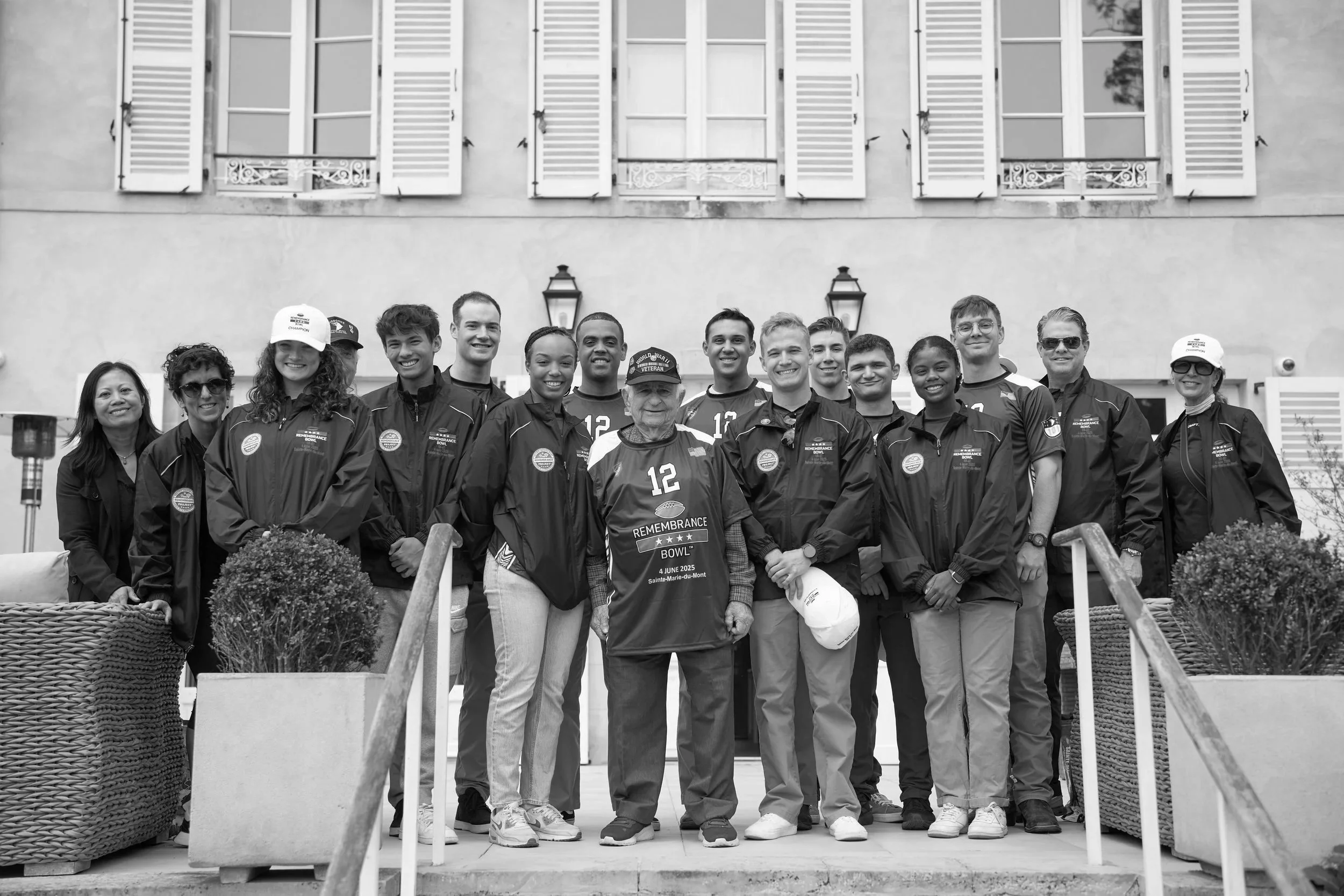
“EDUCATION BUILDS KNOWLEDGE, STRENGTHENS FREEDOM, AND INSPIRES DUTY TO FUTURE GENERATIONS.”
— Sgt. Harold RADISH, WWII Veteran
THEIR FINAL WISH
A Gift to the Next Generation
For most of our lives, we have carried the memories of World War II with us—the friendships, the sacrifices, the losses, and the freedoms for which so many gave everything. We have returned to the places where history changed our lives, remembered those who never came home, and shared our stories in the hope that future generations might understand what was asked of us and why it still matters.
As our generation passes from living memory, our final wish is to give something meaningful back. Through Connecting Generations, we want students and educators—especially those whose financial circumstances would otherwise place an opportunity like Normandy beyond their reach—to experience this history for themselves. We want them to stand on the ground where freedom was defended, study the decisions and sacrifices that shaped their world, and understand that the freedoms they inherit came with an extraordinary human cost.
This is more than an educational opportunity. It is the passing of memory from one generation to another. We entrust these young people and educators with the stories we have carried, the values we tried to live, and the responsibility to preserve them when our voices are no longer here to tell them. We ask only that they learn deeply, remember faithfully, and carry these stories forward—with respect for those who served, gratitude for the freedoms they inherited, and a commitment to ensure that what happened here is never reduced to a distant chapter in history.
THIS IS OUR GIFT TO THE NEXT GENERATION—AND OUR FINAL WISH THAT THE MEMORY, SACRIFICE, AND VALUES OF OUR GENERATION WILL CONTINUE TO LIVE THROUGH THEM.
OUR CORE PRINCIPLES —
-
ACCESS
Exceptional education should not be limited by financial circumstance. Connecting Generations removes barriers that place international study beyond reach, giving selected students and educators access based on curiosity, character, potential, and purpose—not their ability to pay.
-

EDUCATION
Connecting Generations combines scholarship, primary-source research, historical inquiry, and field study to create a rigorous World War II learning experience. Students are challenged to question, interpret, and think independently while connecting academic knowledge with place, evidence, and human experience.
-
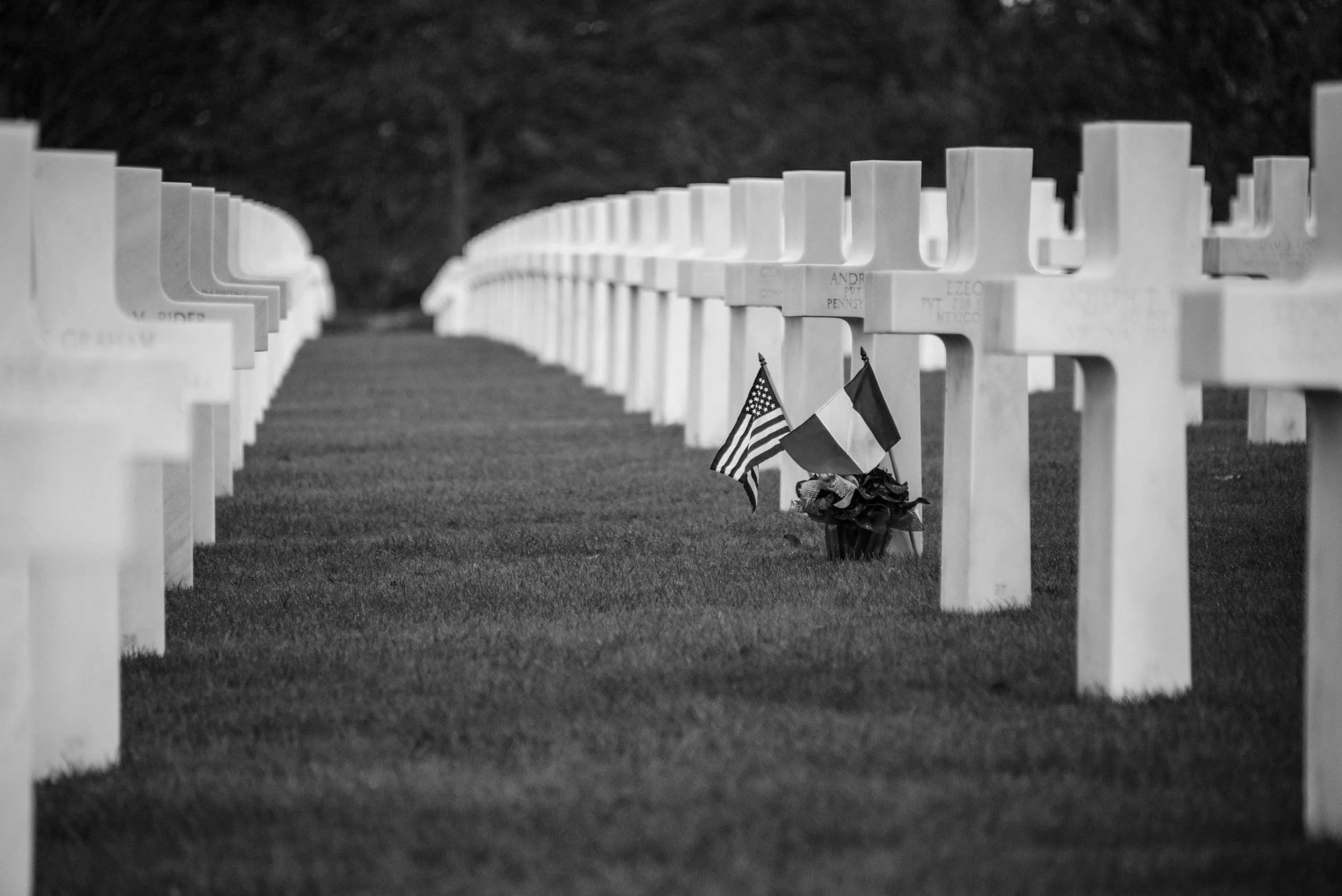
MEMORY
Many students come from environments with limited opportunities, yet this initiative empowers them to rise beyond those constraints by fostering confidence, resilience, and leadership. Through travel and encounters with World War II heroes, they gain lessons in courage, patriotism, and service that inspire them.
-
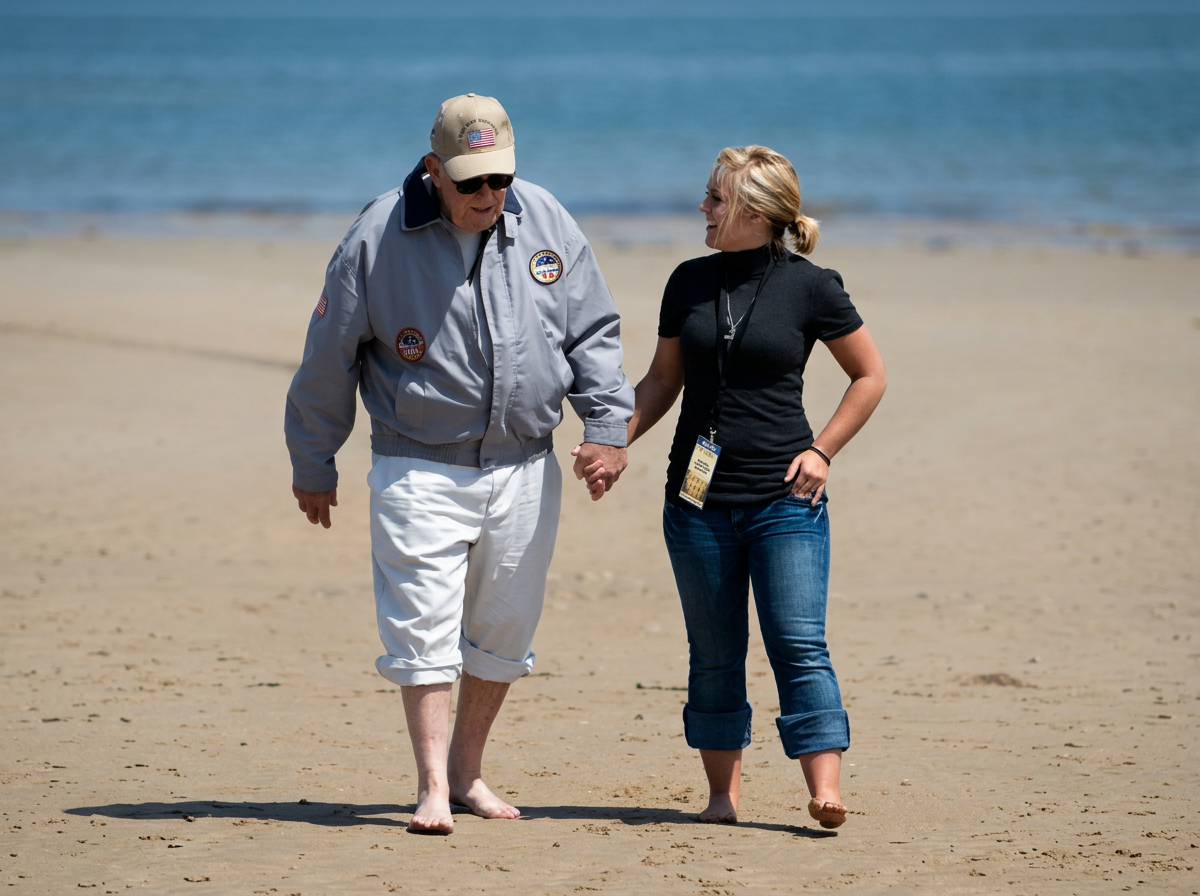
STEWARDSHIP
To inherit history is to inherit responsibility. Connecting Generations prepares students and educators to preserve, interpret, and share the stories and lessons entrusted to them, carrying knowledge from one generation to the next with accuracy, dignity, understanding, and purpose.
-
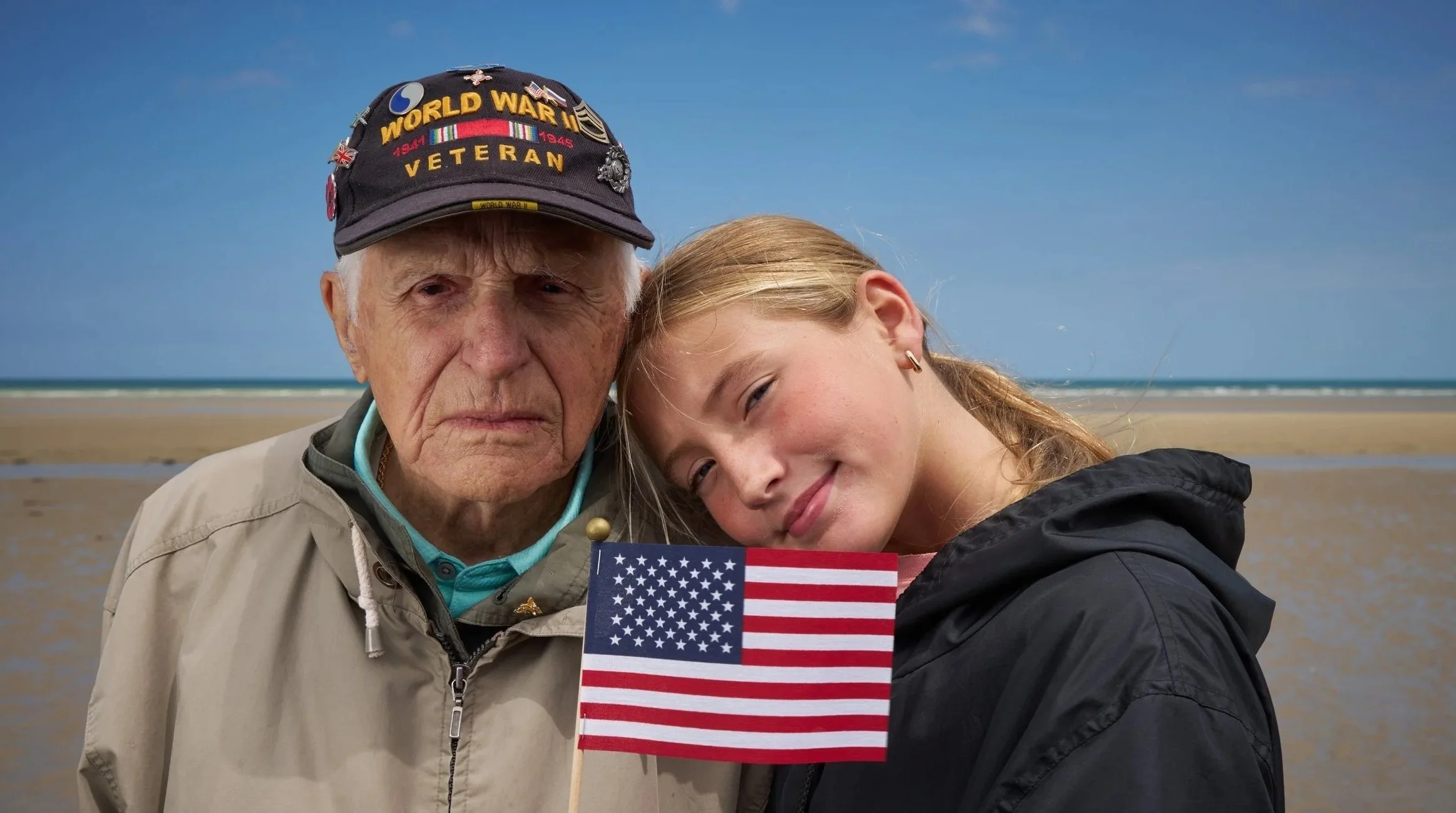
SERVICE
Service connects the World War II generation with those who follow. Through courage, duty, sacrifice, citizenship, and love of country, students examine what it means to serve something greater than themselves and consider their own responsibilities to community and nation.


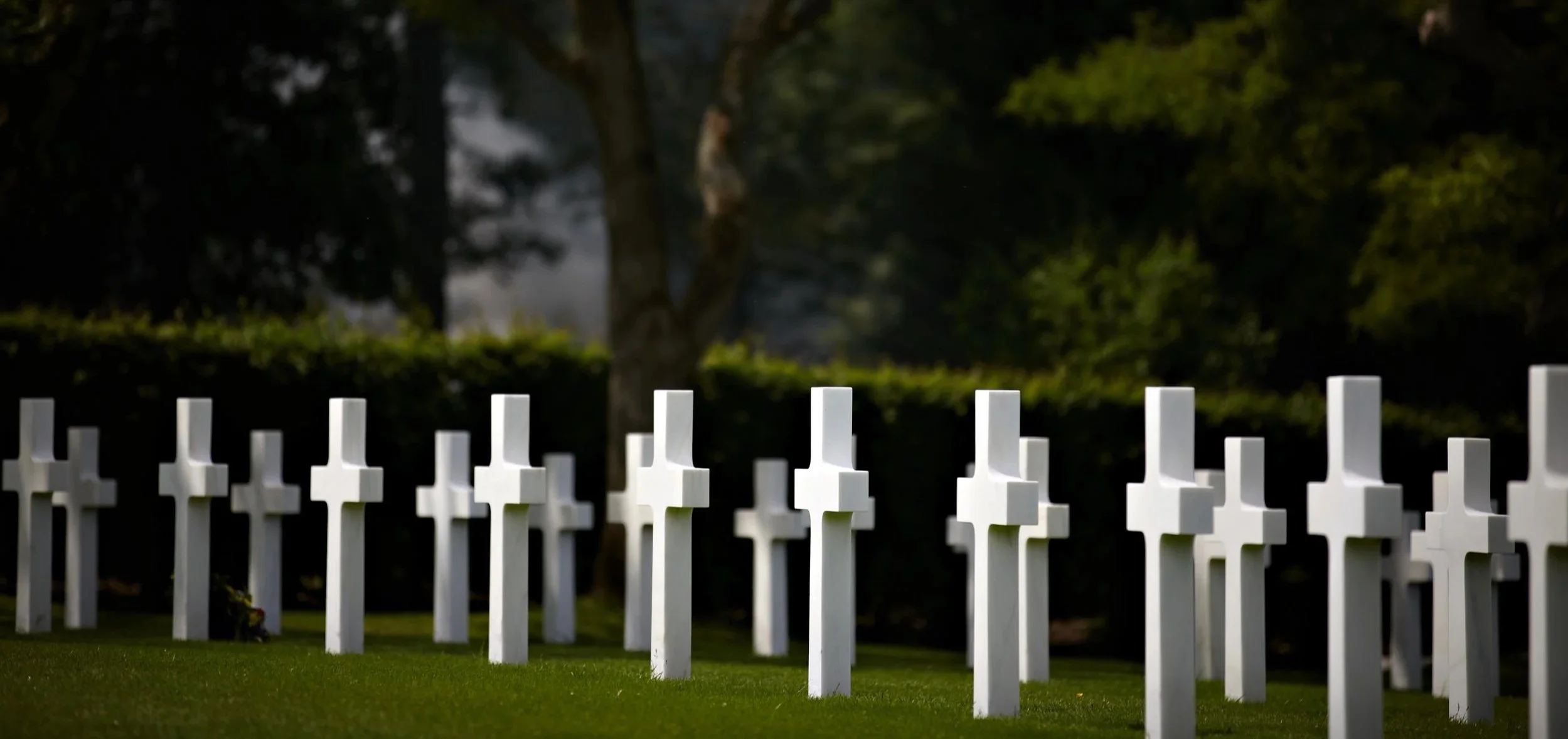
“Experiencing Normandy in person reshaped my understanding of history—it’s not merely something learned from a textbook; it’s real, moving, and profoundly impactful.”
— Emmett FLEISCHER, Class of 2025
THE GENERATION THAT INSPIRED OUR MISSION
-
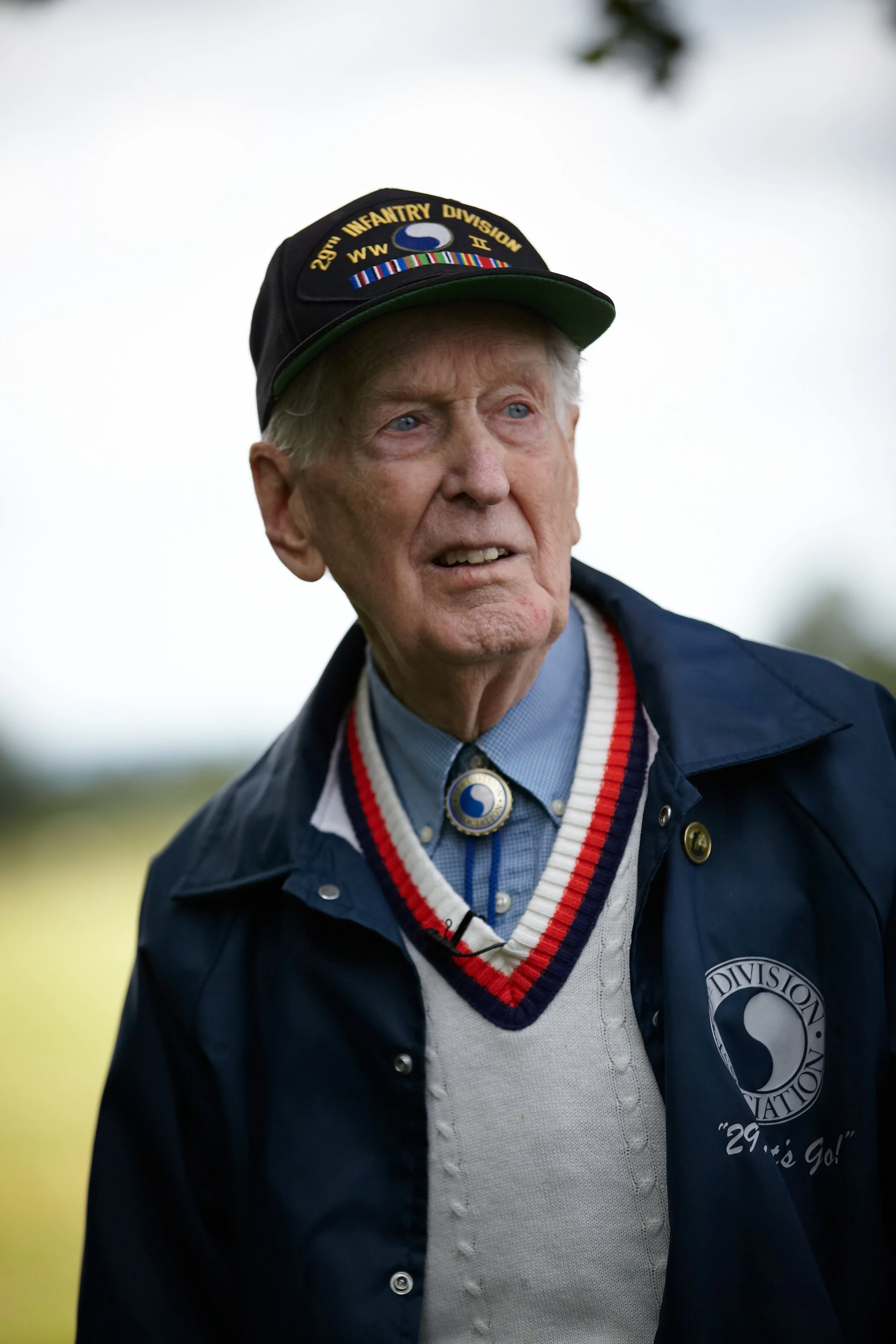
Malvin WALKER (Class of 2002)
Walker, a United States Army soldier in the 29th Infantry Division, 115th Regiment, fought on Omaha Beach on June 6, 1944.
-
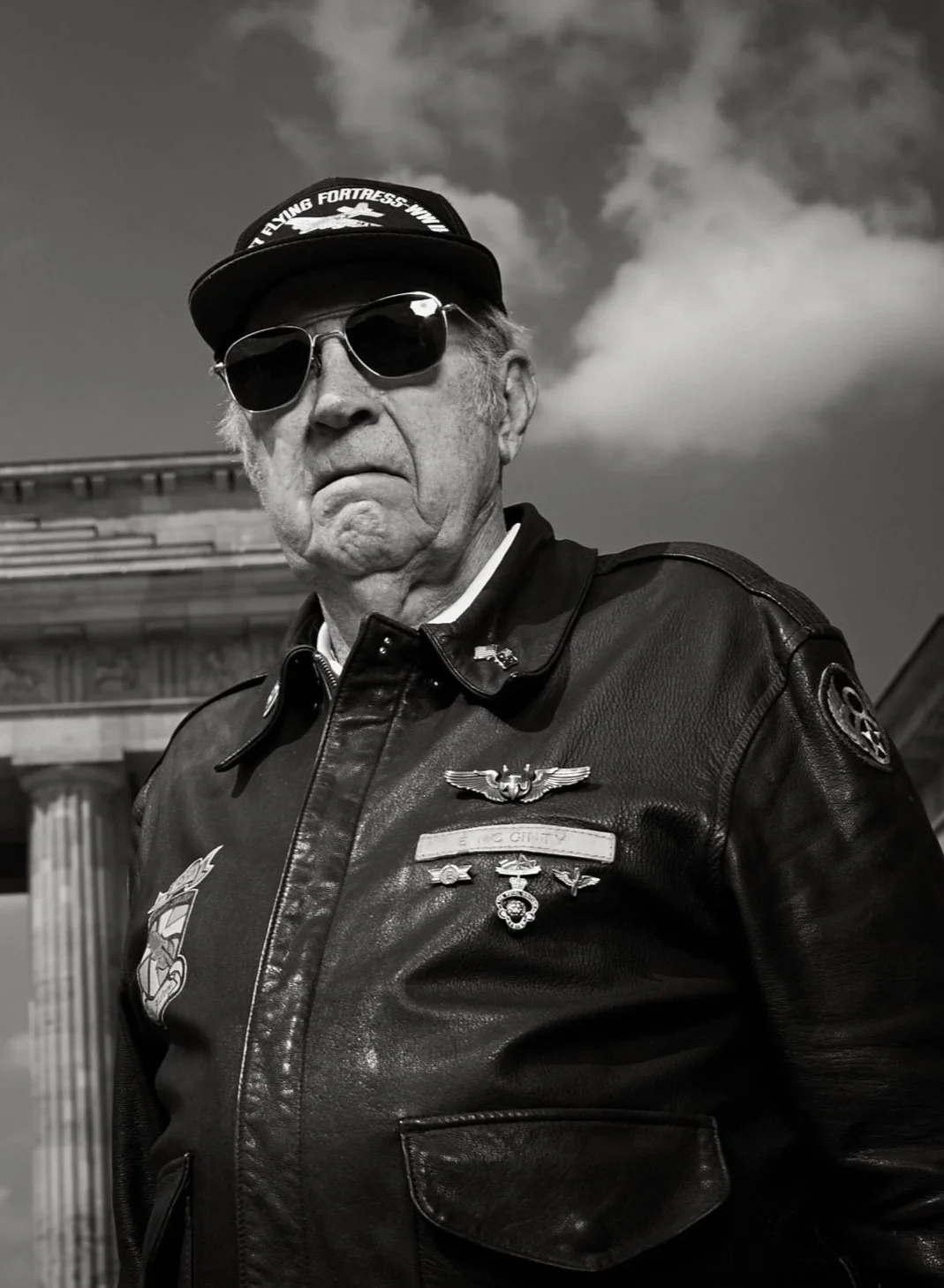
Elmer McGINTY (Class of 2002)
McGinty, a US Army Air Corps Airman with the 95th Bomb Group, flew 29 missions with a confirmed combat kill in Germany.
-
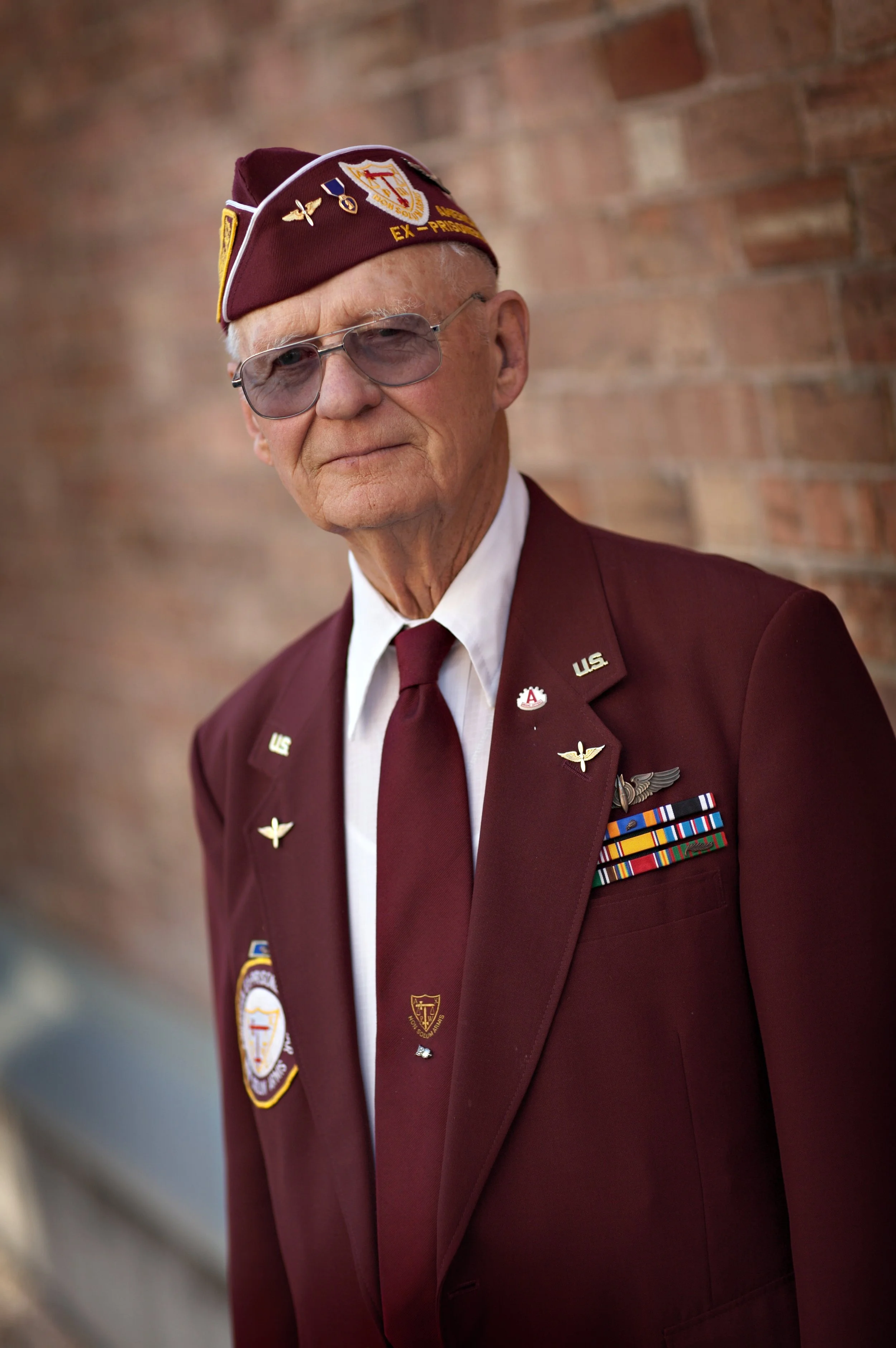
Robert BALL (Class of 2002)
Ball flew 9 missions as a bombardier with the 401st Squadron, 91st Bomb Group. Shot down over Gelsenkirchen on Aug 12th, 1943.
-
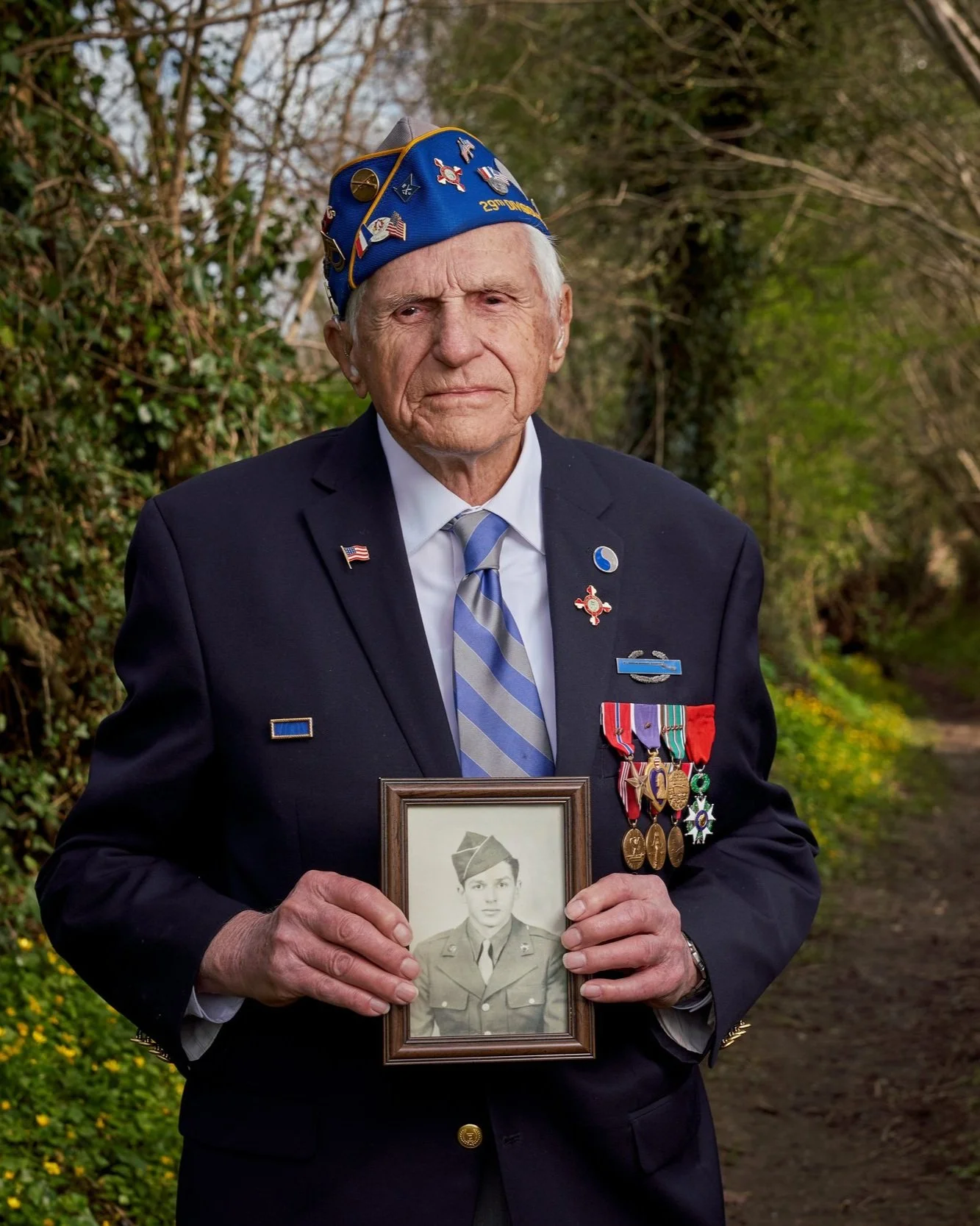
Steve MELNIKOFF (Class of 2014)
Melnikoff, a United States Army soldier in the 29th Infantry Division, 175th Regiment, fought on Omaha Beach on June 6, 1944.
-
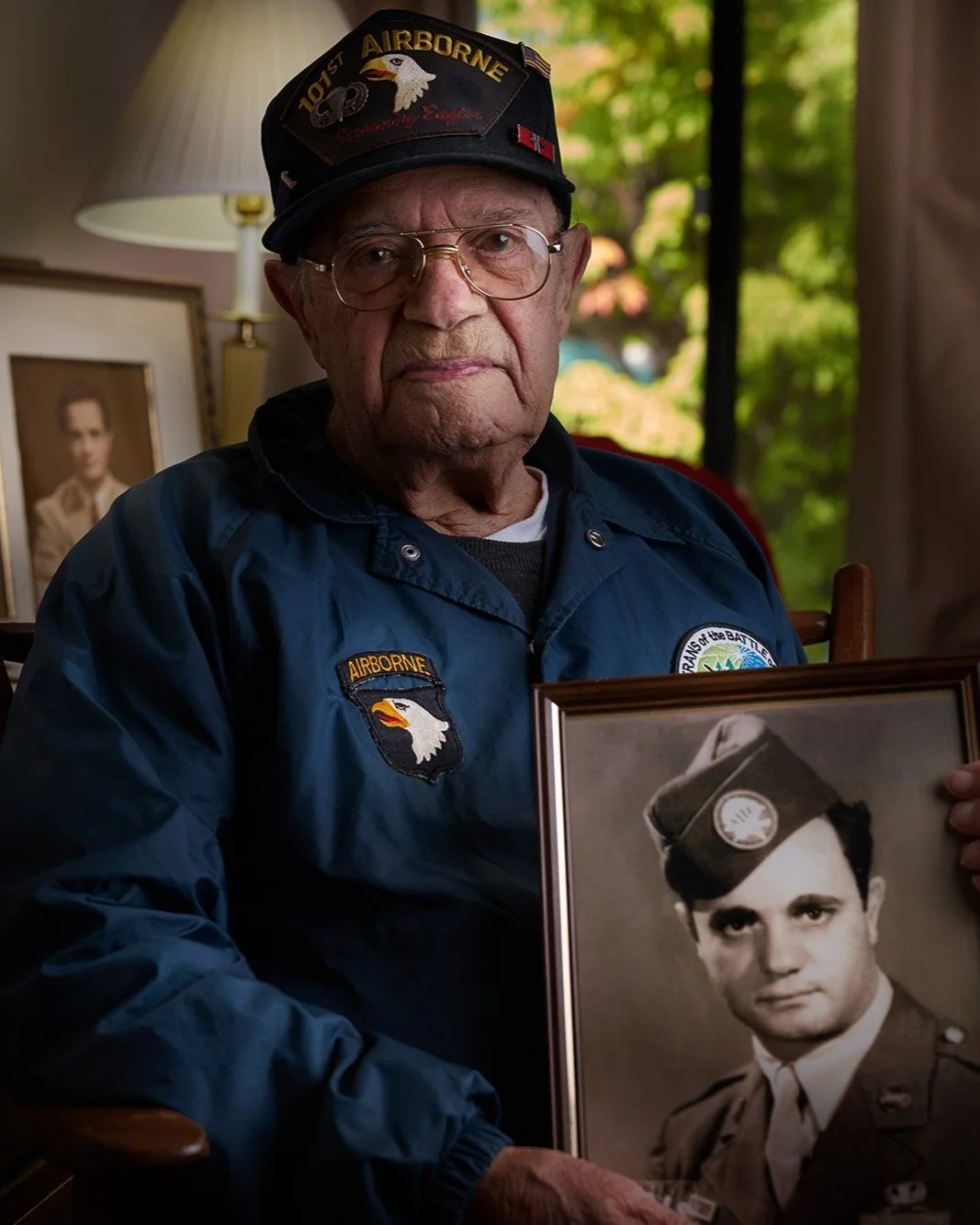
John CIPOLLA (Class of 2007)
Cipolla parachuted into combat on D-Day, 16 miles beyond enemy lines with the 101st Airborne, 501st HQ Company.
-
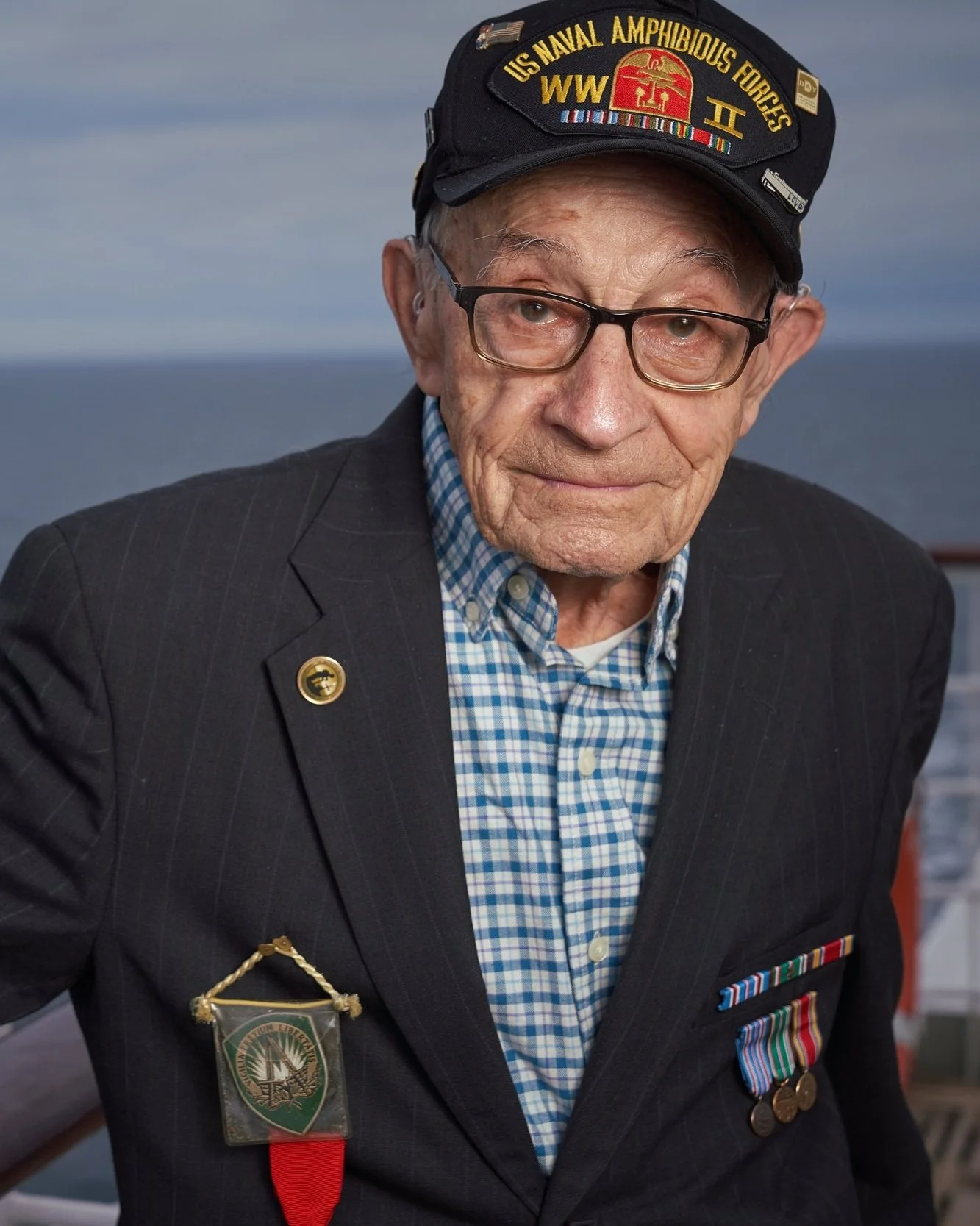
Joseph SCIDA (Class of 2007)
Scida served as a LCVP coxswain on Omaha Beach, transporting soldiers from the 1st Infantry Division in to Battle of D-Day.
-
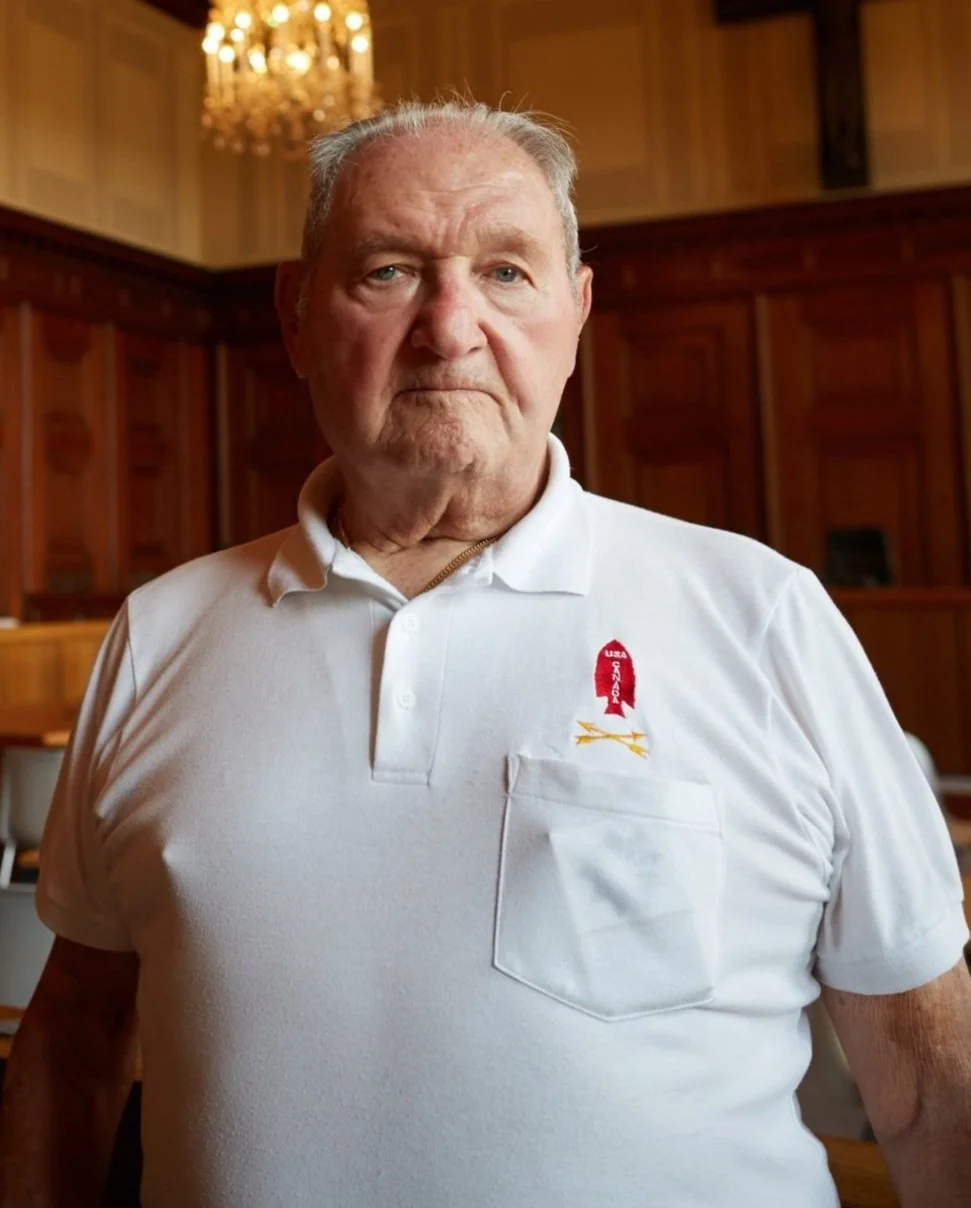
Cy MERMELSTEIN (Class of 2004)
Mermelstein served with the First Special Service Force 3rd Company, 1st Regiment in North Africa, Italy, and France.
-
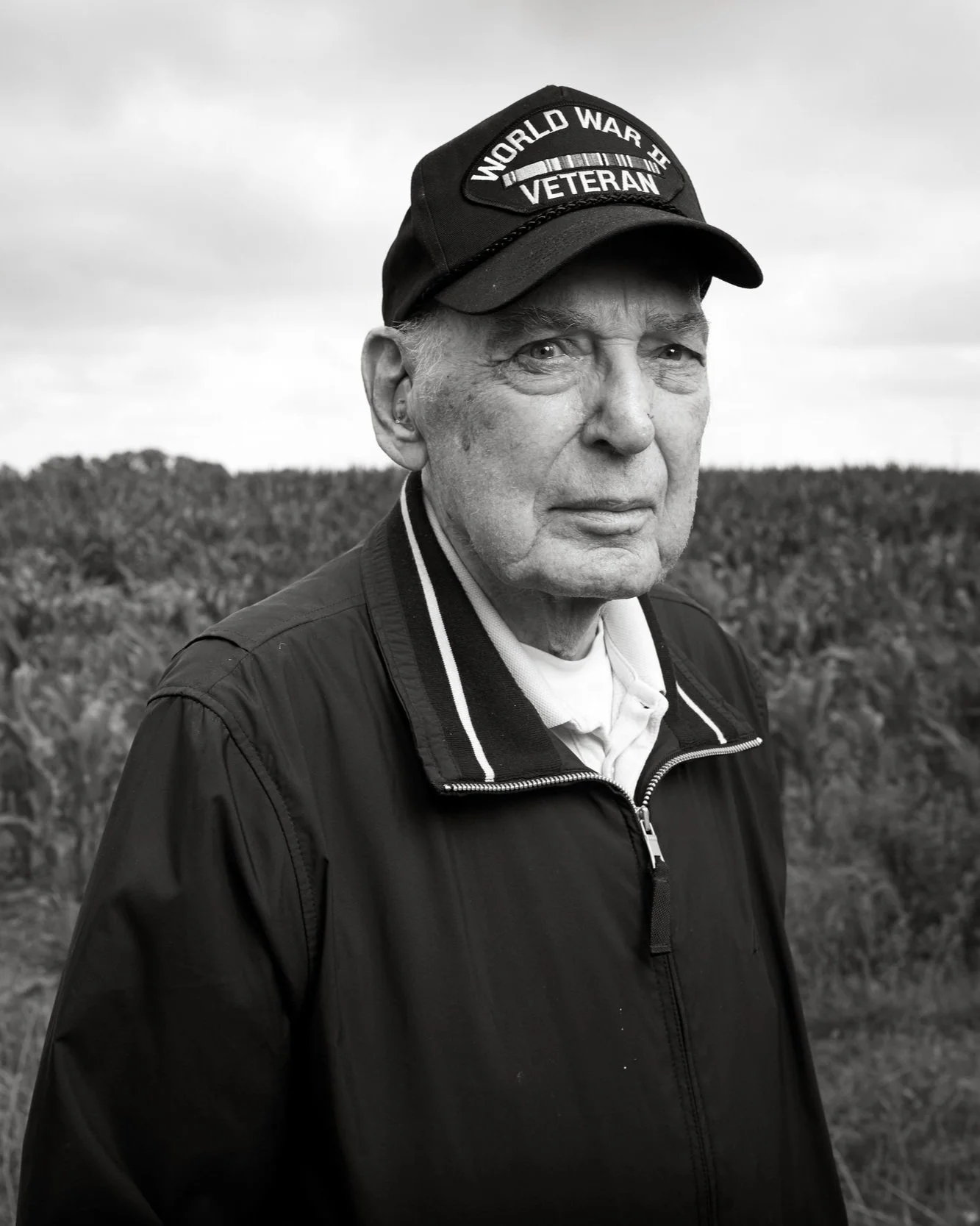
Arthur MEYERS (Class of 2004)
Meyers, a navigator with the 446th Bombardment Group, flew 24 missions and spent 20 months as a POW in Germany.
-
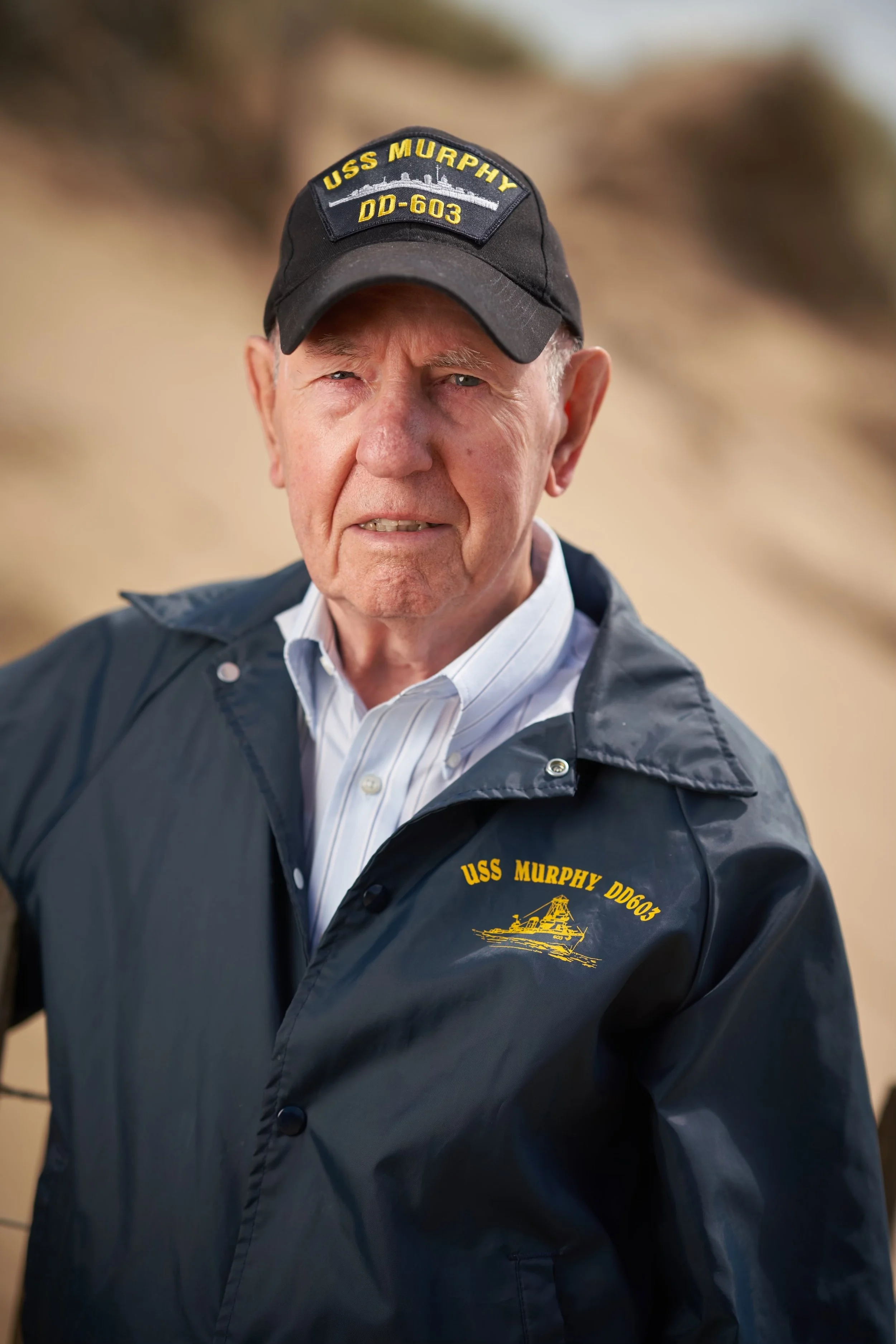
Donald COBB (Class of 2008)
Cobb, a D-Day veteran in the US Navy, served as a Radio Man, Second Class, in Normandy during World War II.
-
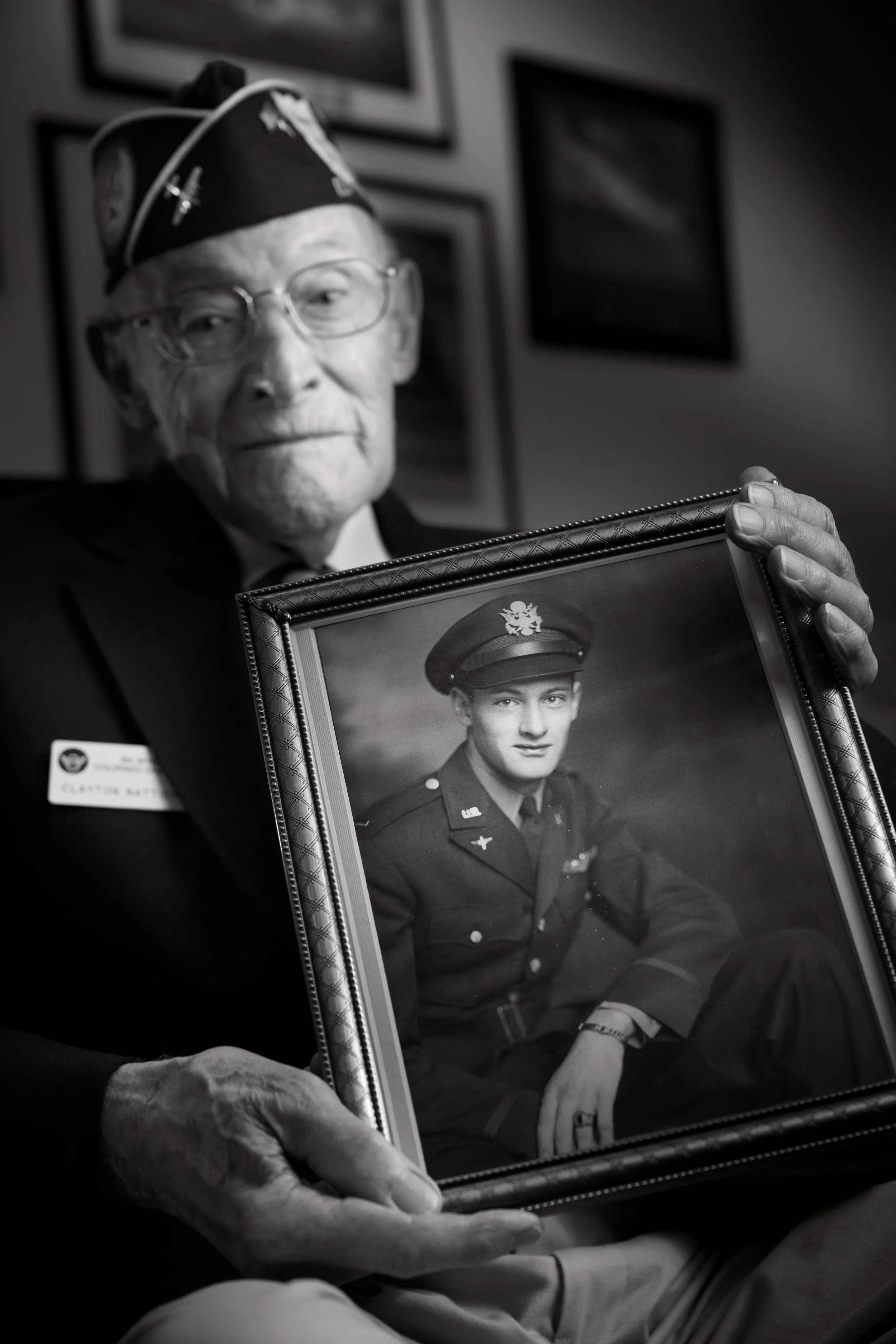
Clayton NATTIER (Class of 2002)
Nattier flew 16 missions with the 369th Bomb Squadron, 306th Bomb Group, before being shot down on Sept 13, 1944.
-
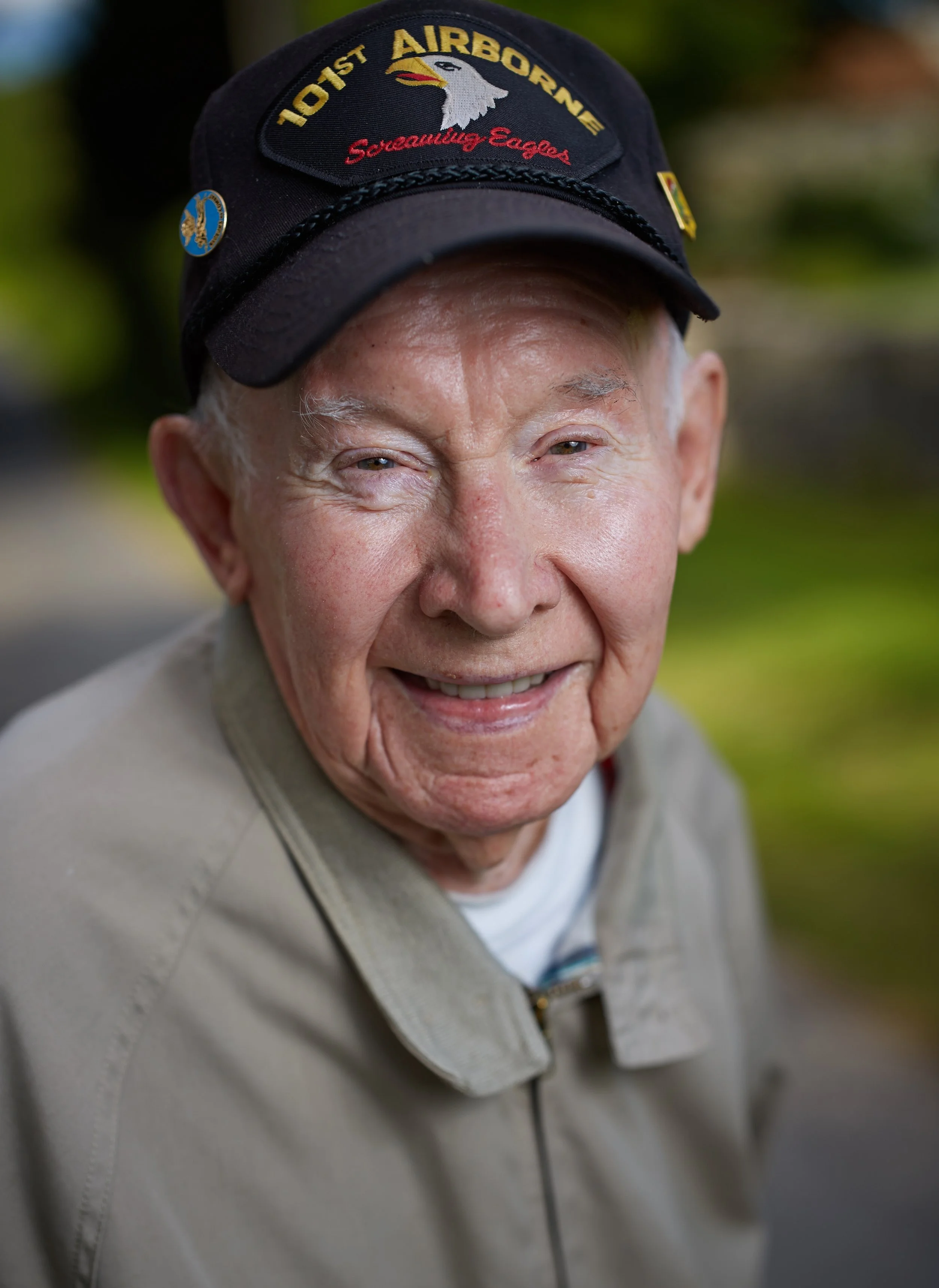
Joseph REILLY (Class of 2009)
Reilly parachuted into combat on D-Day, 16 miles beyond enemy lines with the 101st Airborne, 501st HQ Company.
-
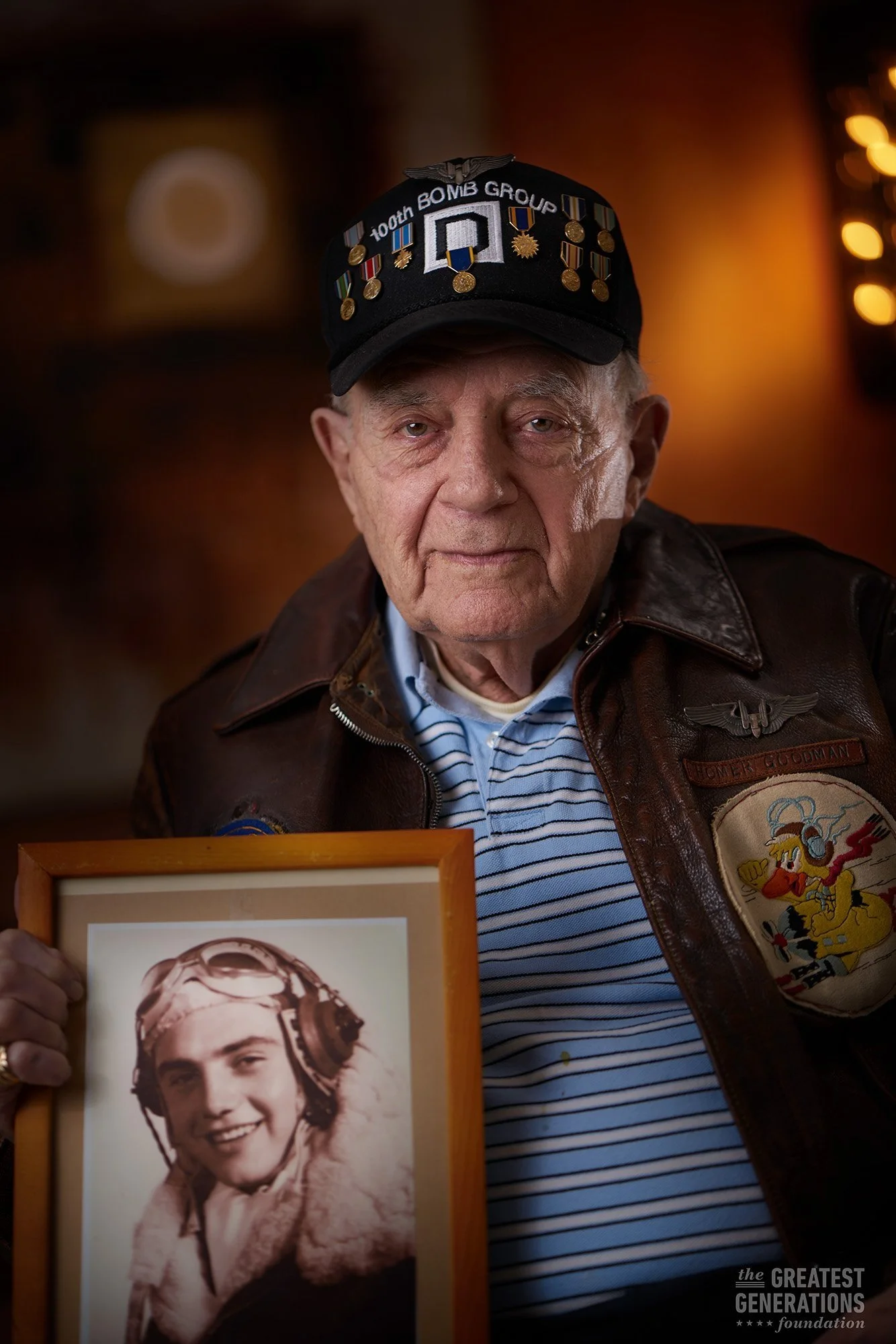
Homer GOODMAN (Class of 2006)
Goodman started as Ball Turret Gunner with the 418th Bombardment Squadron, 100th Bomb Group, flying 25 missions.
-

Frank DEVITA (Class of 2014)
Served as a Gunner’s Mate Third Class aboard the USS Samuel Chase (APA-26), a Coast Guard–manned Navy attack transport.
-

Floyd WIGFIELD (Class of 2019)
Wigfield was as drafted to serve with the U.S. Army’s 4th Infantry Division, landing on Utah Beach and severely wounded on D+5.
-
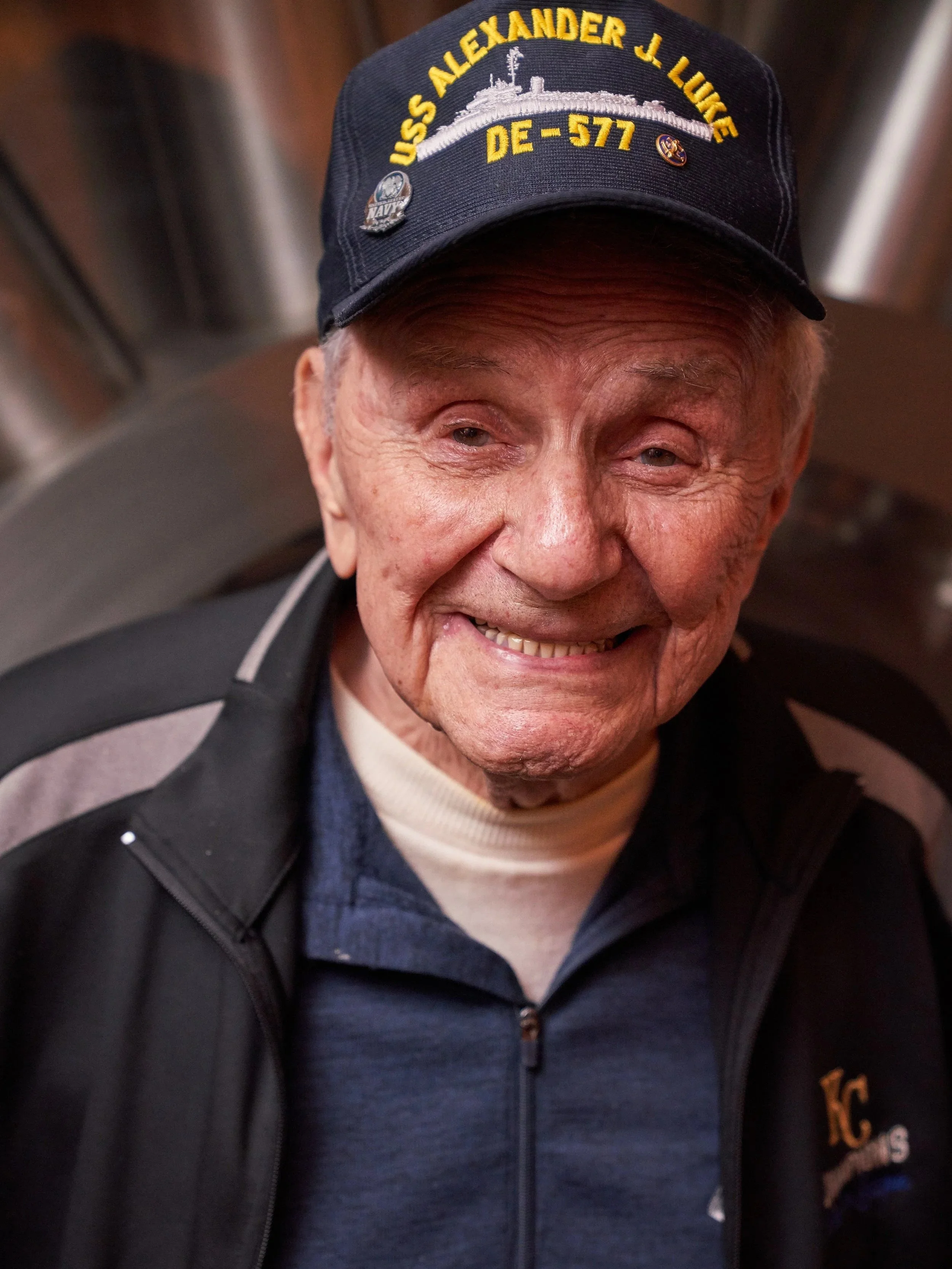
Bob GOLDSTEIN (Class of 2012)
Goldstein served aboard the USS Alexander J. Luke (DE-577), a destroyer escort that saw action during the Battle of the Atlantic.
-
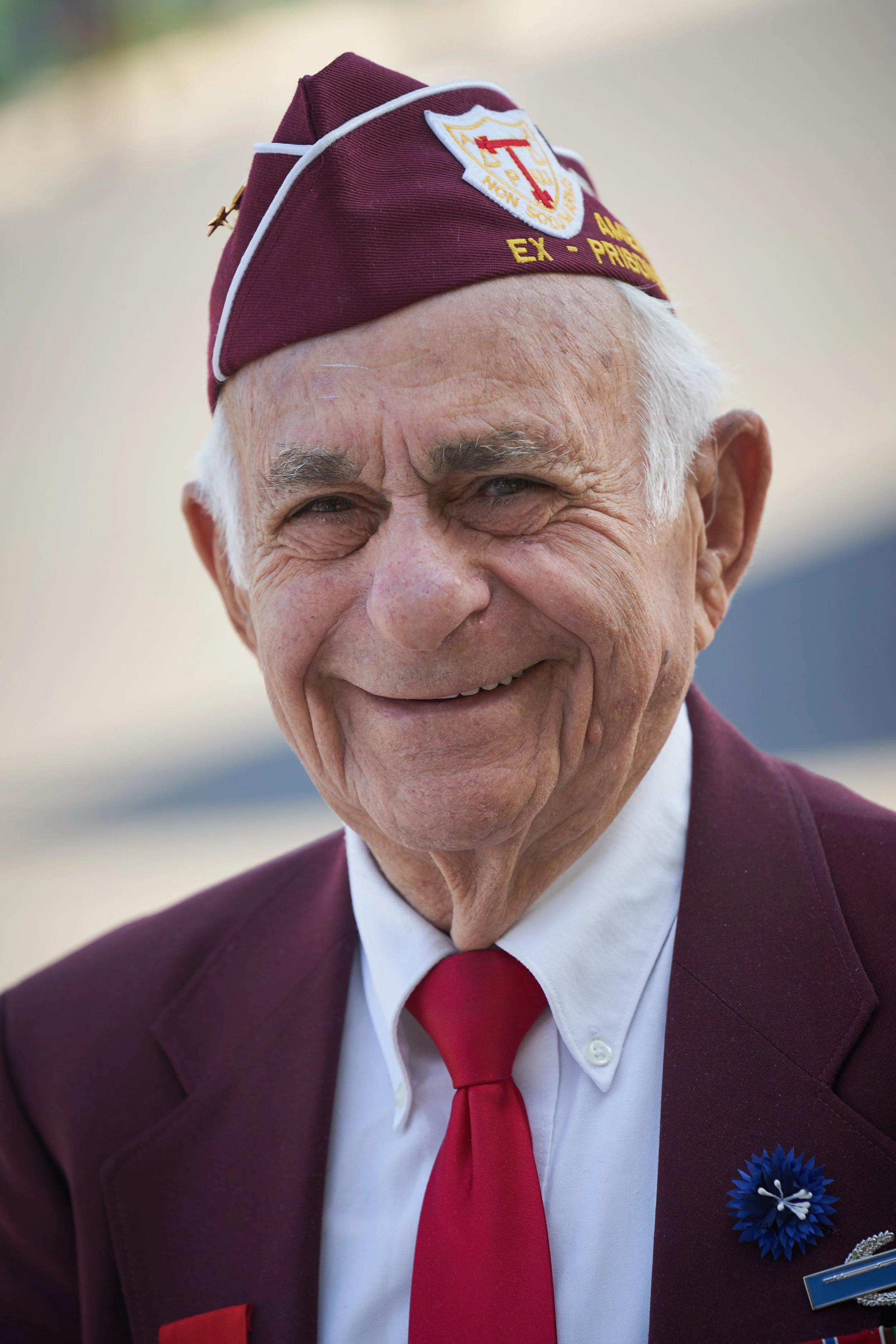
Harold RADISH (Class of 2018)
Radish, a reconnaissance sergeant with the 90th Infantry Division, was captured by German forces in February 1945.