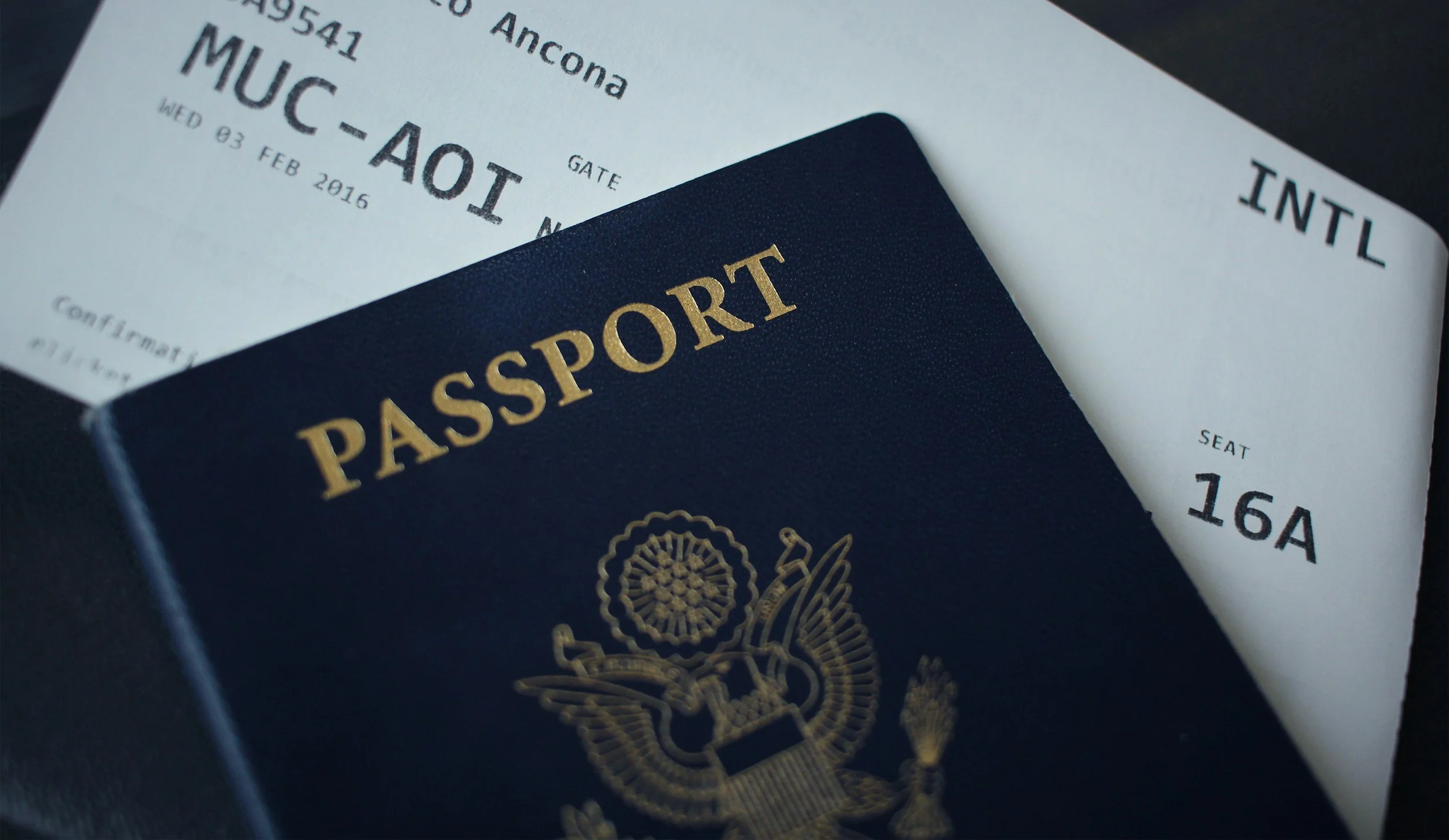
“IN NORMANDY, YOUNG AMERICANS SEE WHAT FREEDOM COST—and why it is worth protecting.”
— Elmer “Lucky” McGINTY Co-Founder
FOR SCHOOLS
Expanding Access to Exceptional Education
Connecting Generations partners with selected schools to provide students and educators with fully funded access to advanced World War II study in Normandy. The program extends classroom learning through academic preparation, primary-source research, and direct engagement with the historic landscapes where the war unfolded.
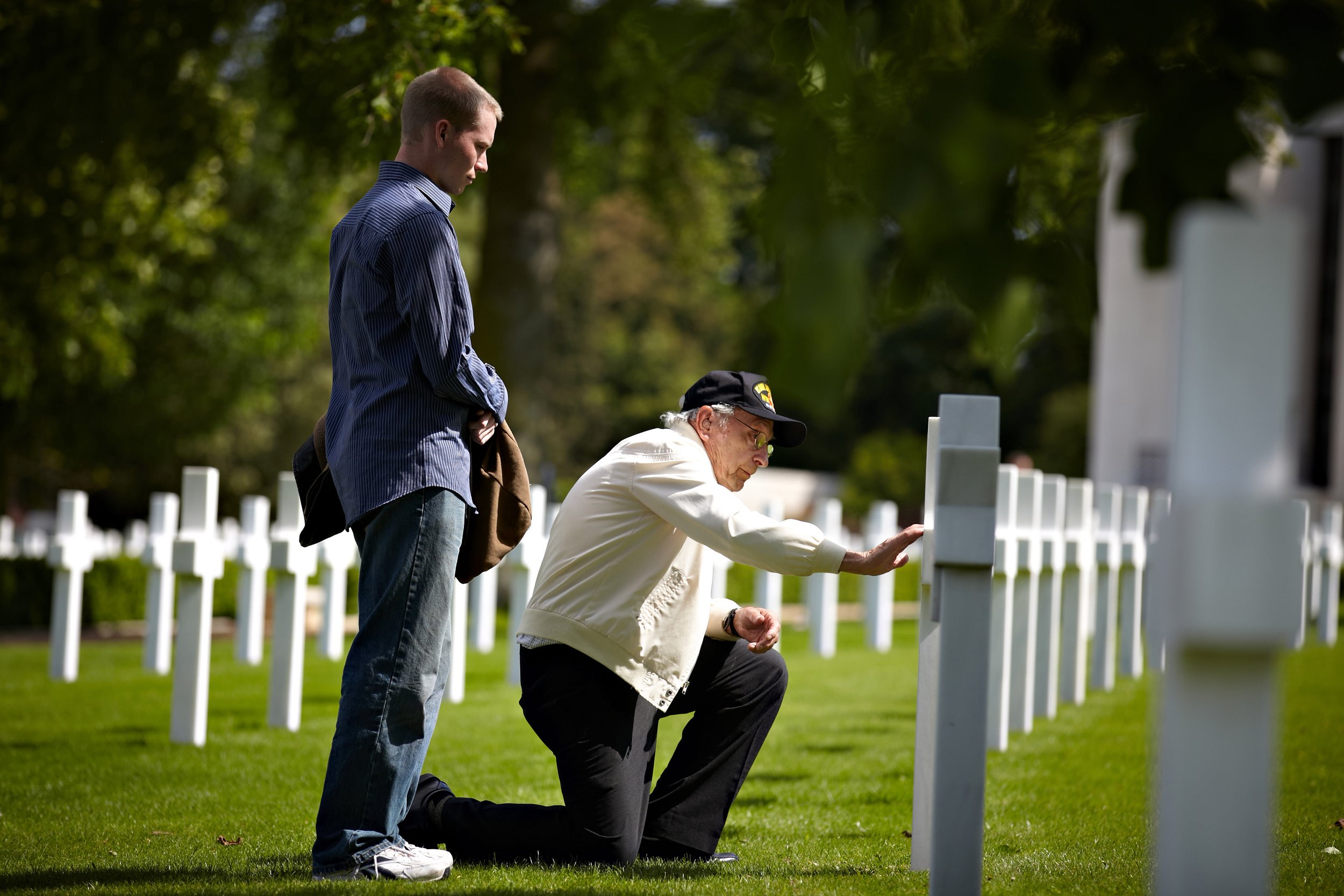
SCHOOL PARTNERSHIPS
Extending the Classroom
Participating schools help identify students with the curiosity, character, and potential to benefit from this opportunity. Educators support preparation before departure and help students translate what they learn into meaningful academic and community engagement upon their return. The education begins at school and returns to it.

BROADENING OPPORTUNITY
Potential Should Not Be Limited by Circumstance
Many capable students lack access to international educational experiences because of cost. Connecting Generations works with schools to identify young people whose intellectual promise may exceed the opportunities available to them and removes the financial barrier to participation. Exceptional potential deserves exceptional opportunity.
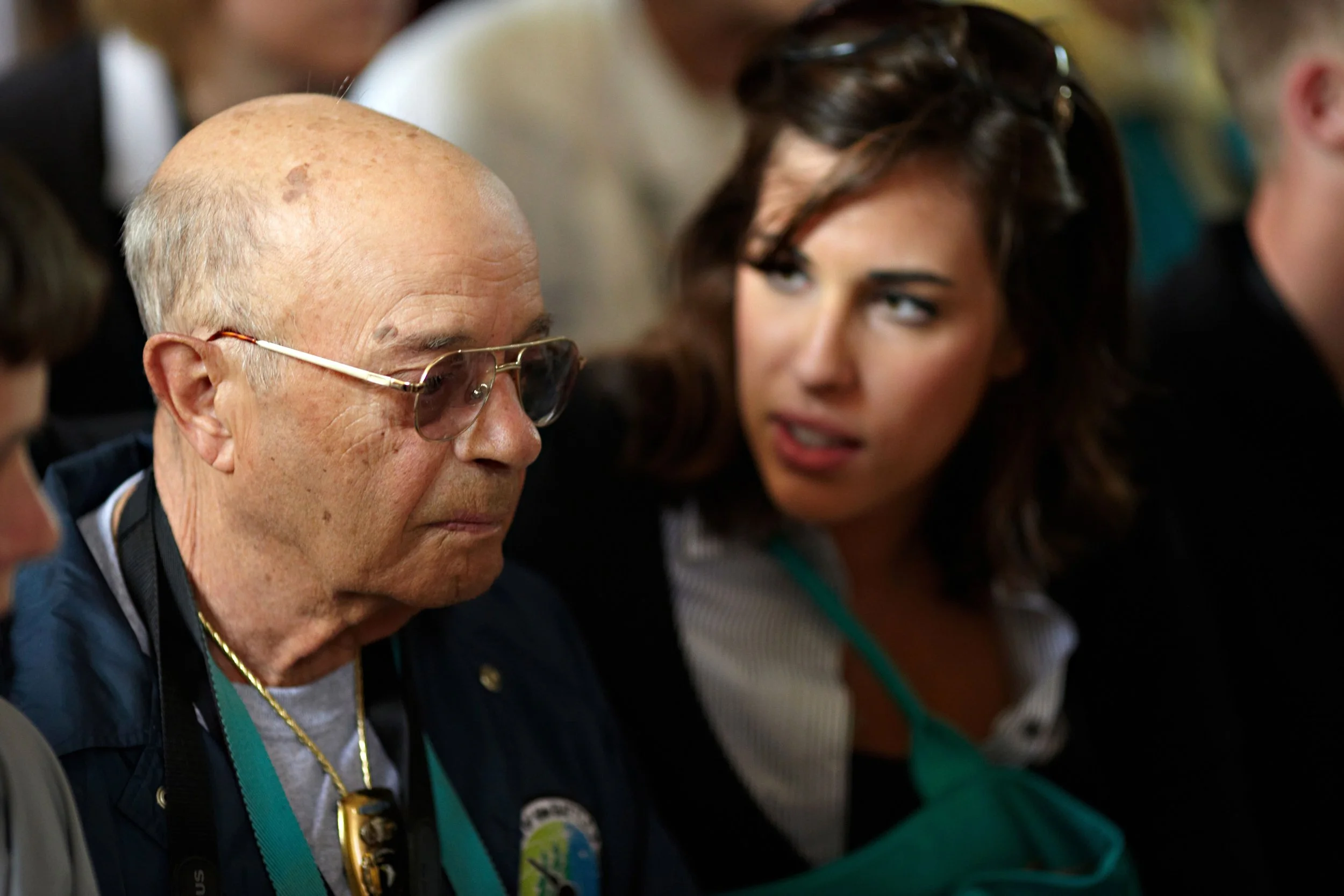
EDUCATOR IMPACT
Knowledge That Multiplies
Educators are integral to the program. By studying alongside students and engaging directly with the historical landscape, teachers return with deeper subject knowledge, new perspectives, and resources that can enrich their classrooms for years to come. One educator can extend the impact across generations of students.