“I believe that by supporting students and educators, education fuels freedom, builds knowledge, and inspires duty to future generations.”
— Sgt. Harold RADISH, WWII Veteran
Our Mission
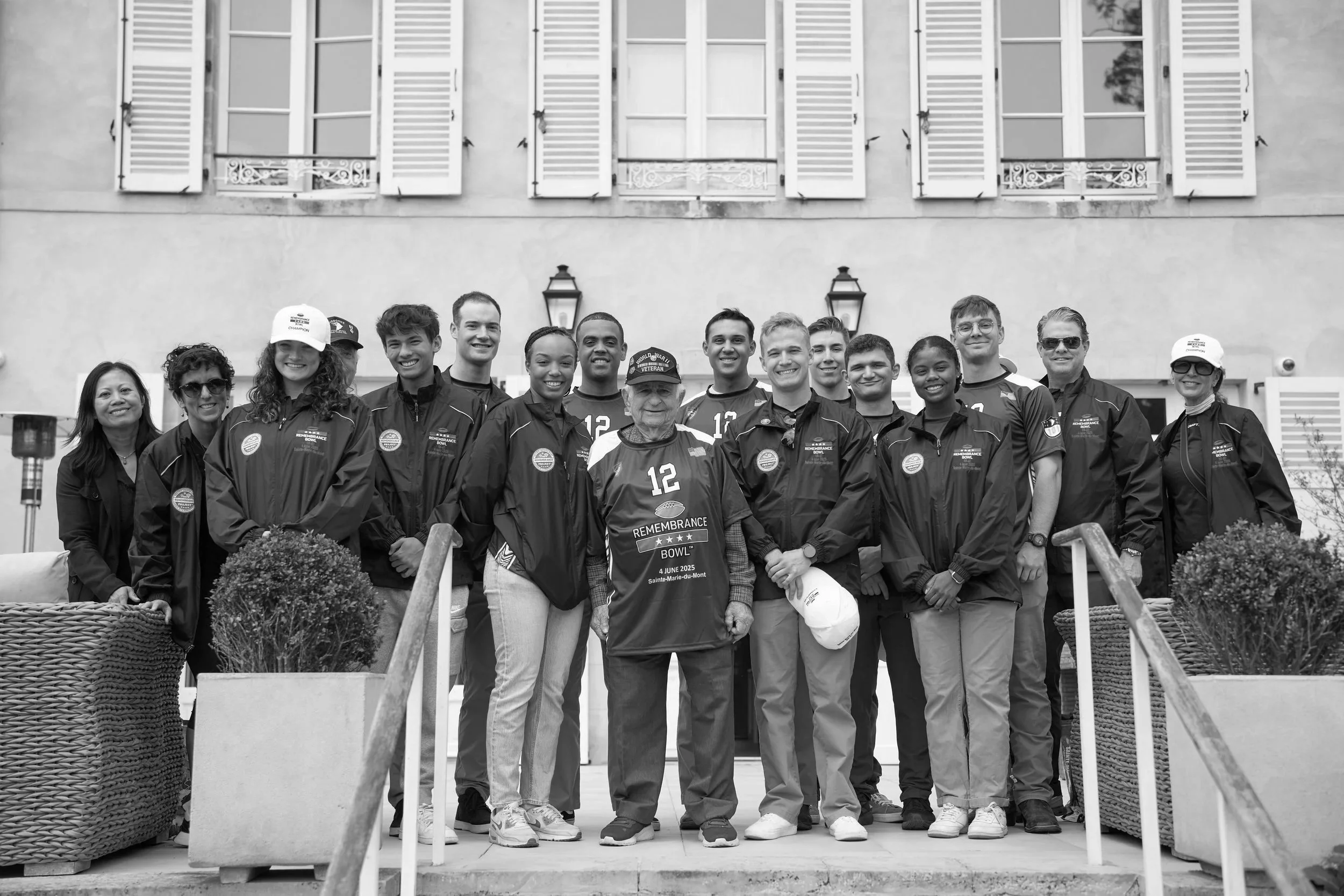
To empower educators and inspire students and educators to Normandy, France for immersive, academically rich learning experiences that deepen their understanding of courage, sacrifice, freedom, and civic responsibility. Through patriotic education and intergenerational connection, we inspire participants to honor the past and carry forward an enduring love of country.
Our Vision
To cultivate a generation of informed, engaged citizens who carry forward a profound respect for history, service, and country, shaped by transformative educational journeys that connect the past to the present.
Guiding Principles —
-
Historical Understanding
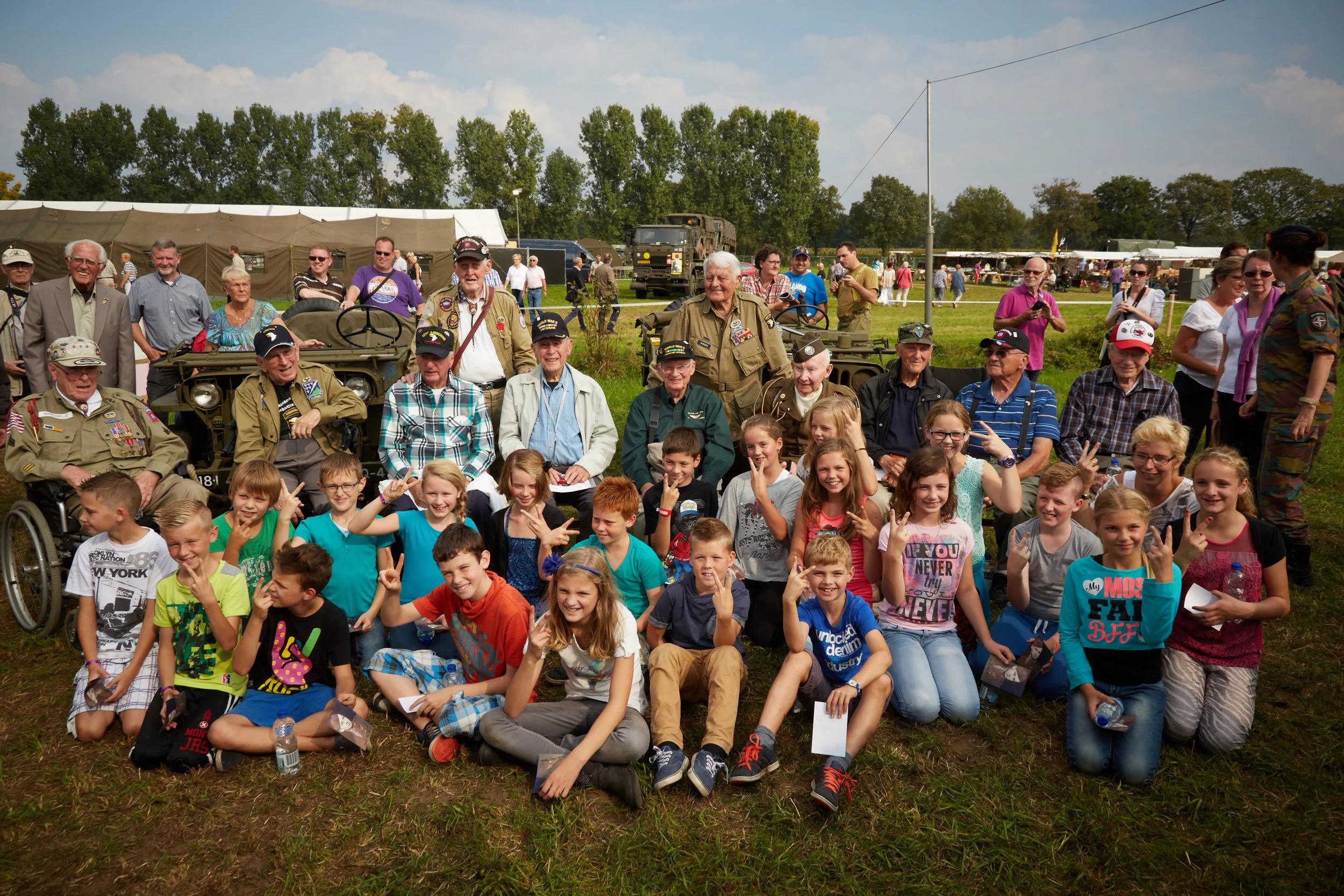
By studying America’s World War II history, students gain a deeper understanding of the courage, sacrifice, and unity that defined a generation. Engaging with these pivotal events enriches historical awareness, strengthens appreciation for freedom, and inspires citizens to uphold enduring values of service, resilience, and patriotism.
-

Inspire a Love for Country
Encountering the echoes of our nation’s past and hearing voices shaped by its trials deepen love of country and pride in its heritage. Through these experiences, the initiative cultivates citizens who honor sacrifice, cherish national ideals, and uphold America’s future with gratitude, understanding and devotion.
-

Empower Youth
Many students come from environments with limited opportunities, yet this initiative empowers them to rise beyond those constraints by fostering confidence, resilience, and leadership. Through travel and encounters with World War II heroes, they gain lessons in courage, patriotism, and service that inspire them.
The Heart Behind
the Mission
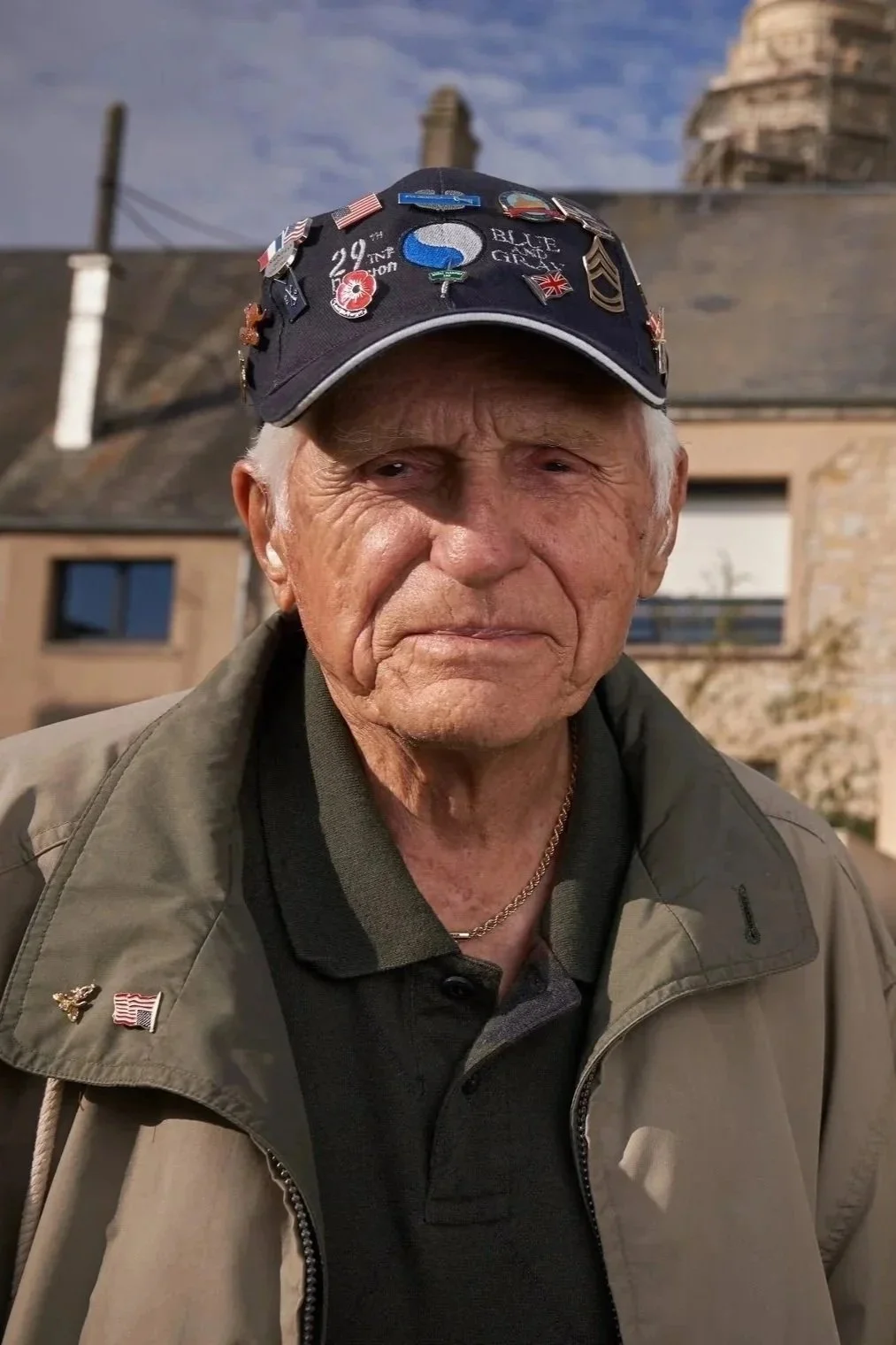
Steve Melnikoff, an American World War II veteran and trustee of Connecting Generations, stands as a profound embodiment of the values the organization seeks to preserve and advance. He landed on Omaha Beach on June 6, 1944, and continued the campaign across Europe with extraordinary resolve, even after sustaining multiple wounds. Each time, he returned to service, ultimately advancing into Germany before VE Day. Today, his experience does more than recount history—it enriches the mission of Connecting Generations. His story serves as a living bridge between past and future, ensuring that the principles of sacrifice, service, and democratic responsibility are not only remembered, but meaningfully imparted to those who will carry them forward.


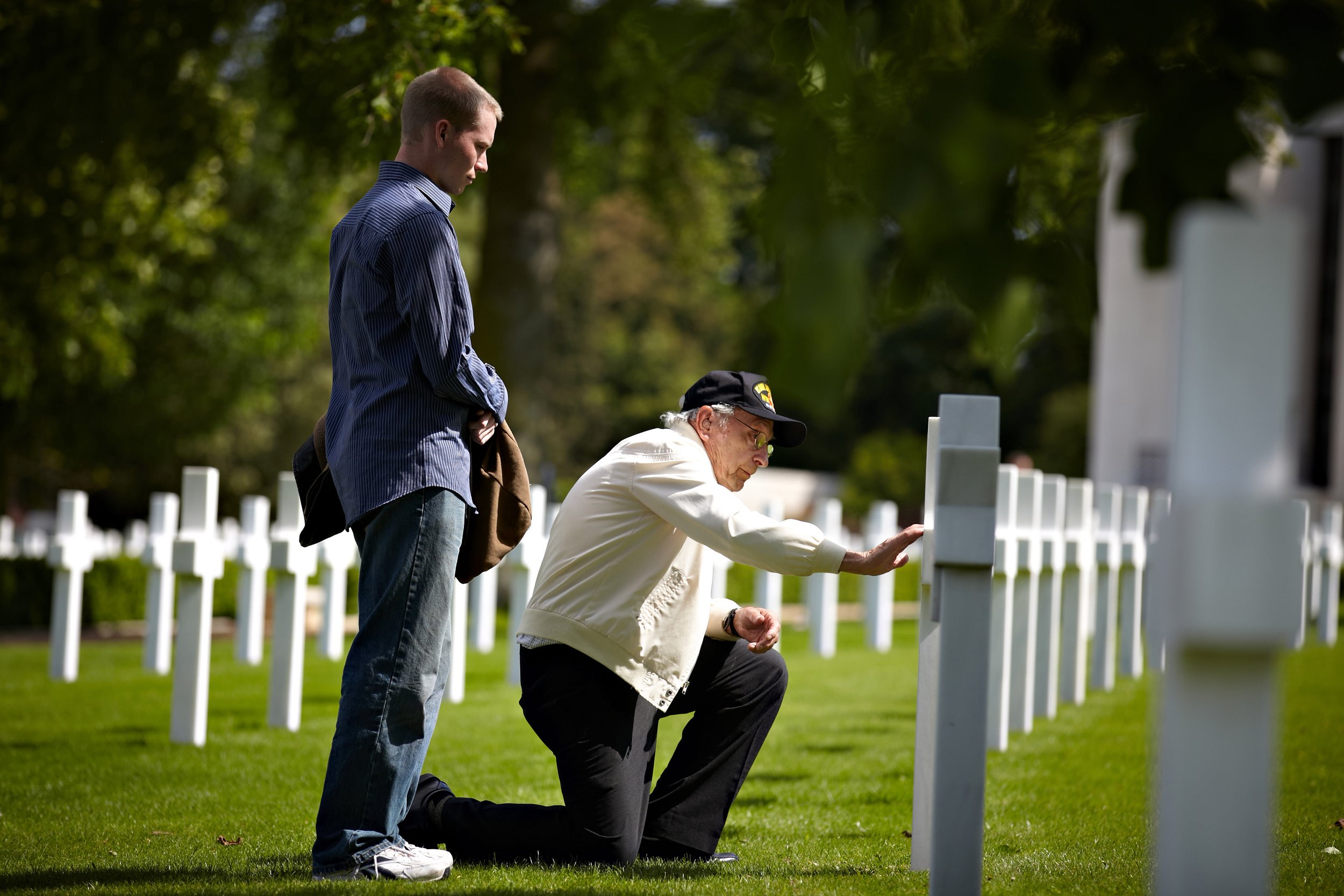
“Experiencing Normandy in person reshaped my understanding of history—it’s not merely something learned from a textbook; it’s real, moving, and profoundly impactful.”
— Emmett FLEISCHER, Class of 2025
Meet the Curriculum Contributors
-
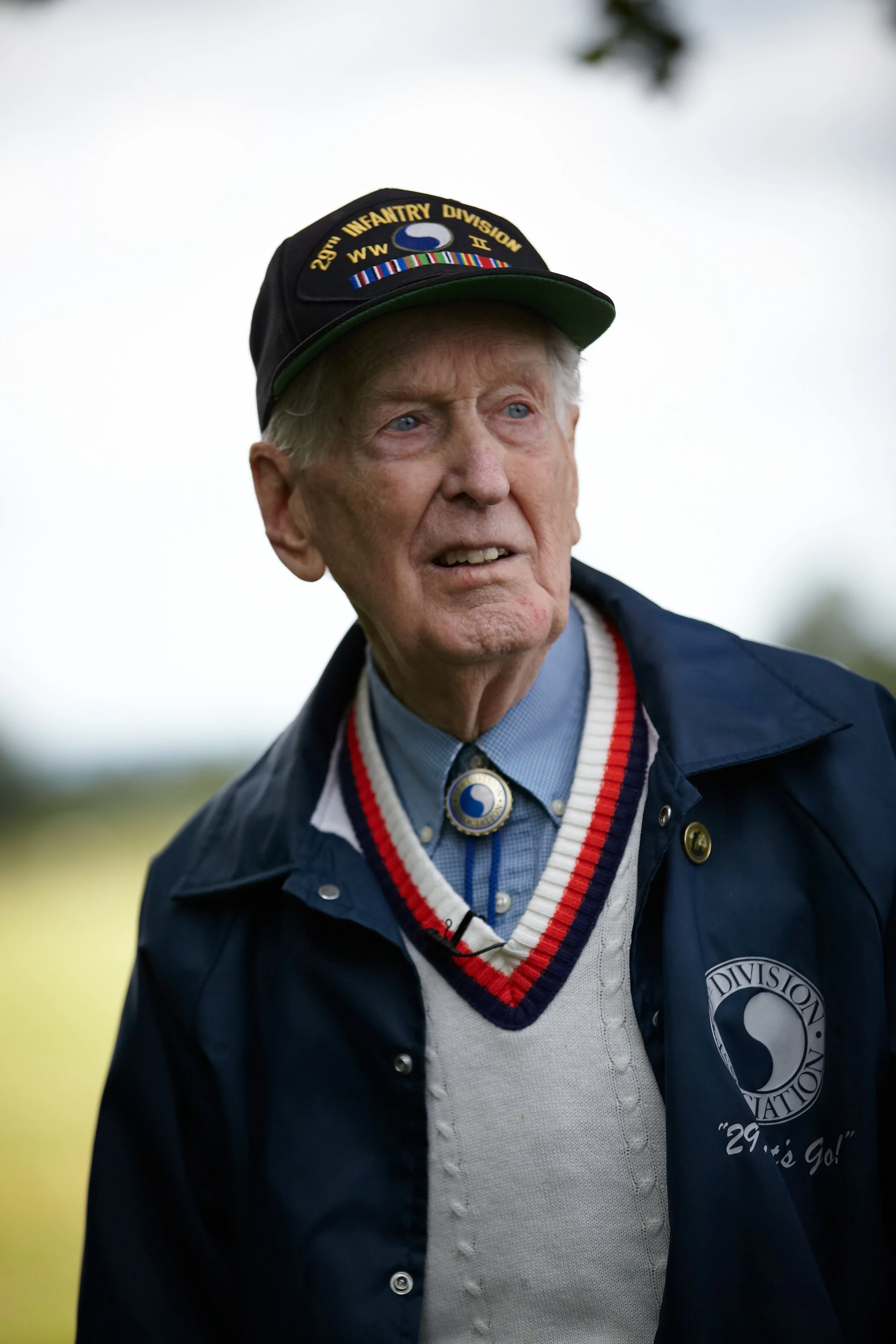
Malvin WALKER (Class of 2002)
Walker, a United States Army soldier in the 29th Infantry Division, 115th Regiment, fought on Omaha Beach on June 6, 1944.
-
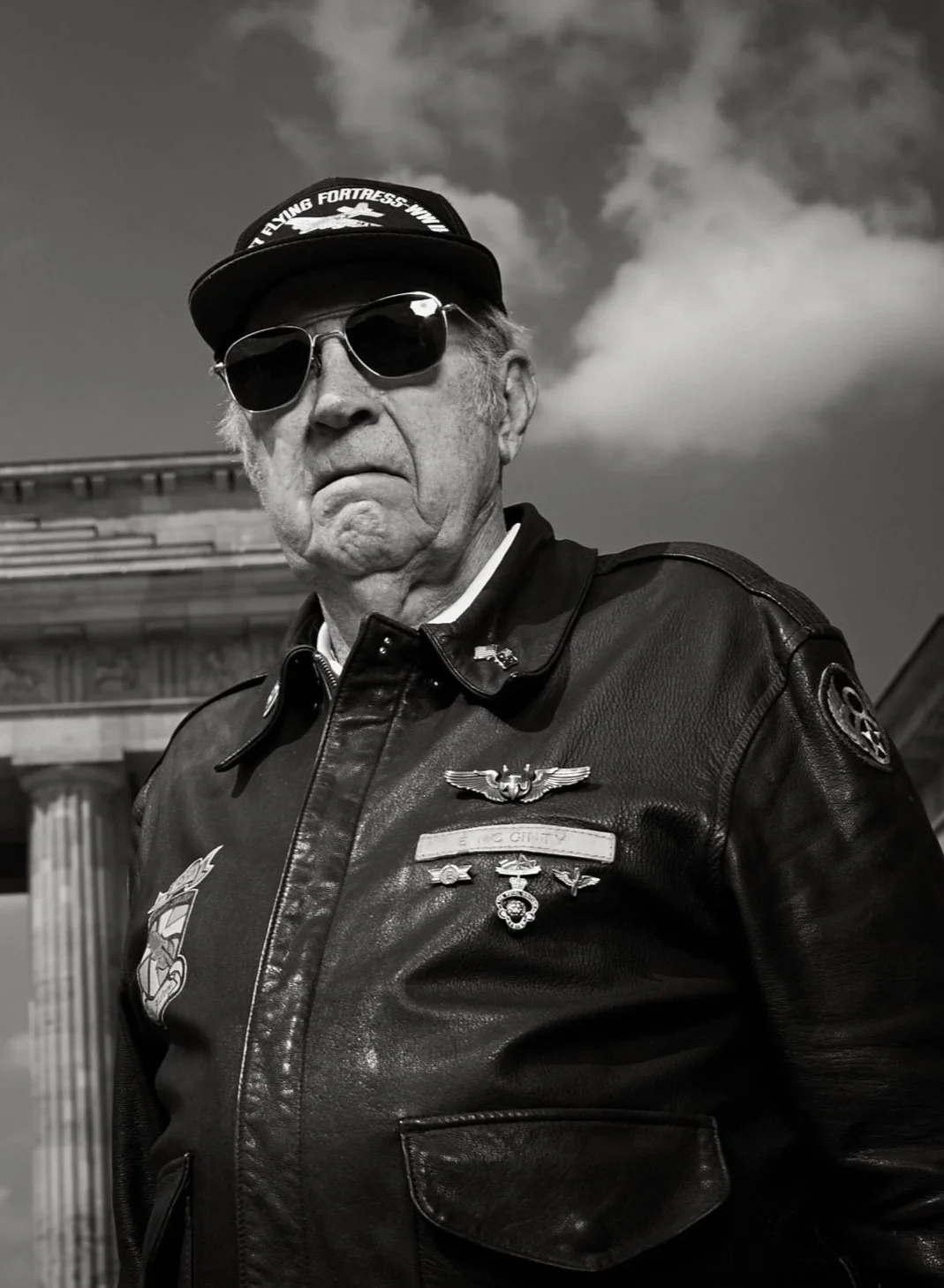
Elmer McGINTY (Class of 2002)
McGinty, a US Army Air Corps Airman with the 95th Bomb Group, flew 29 missions with a confirmed combat kill in Germany.
-
Robert BALL (Class of 2002)
Ball flew 9 missions as a bombardier with the 401st Squadron, 91st Bomb Group. Shot down over Gelsenkirchen on Aug 12th, 1943.
-
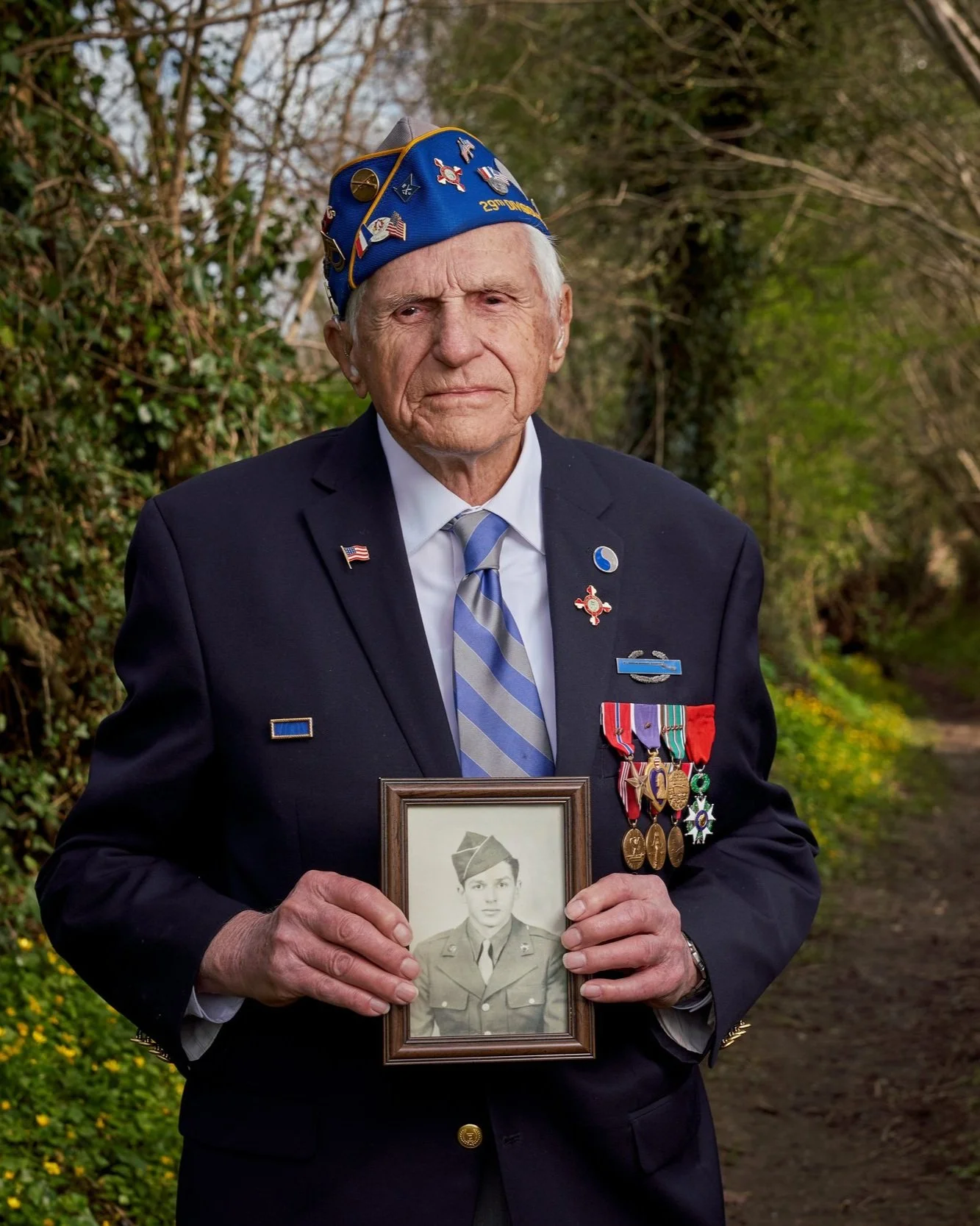
Steve MELNIKOFF (Class of 2014)
Melnikoff, a United States Army soldier in the 29th Infantry Division, 175th Regiment, fought on Omaha Beach on June 6, 1944.
-
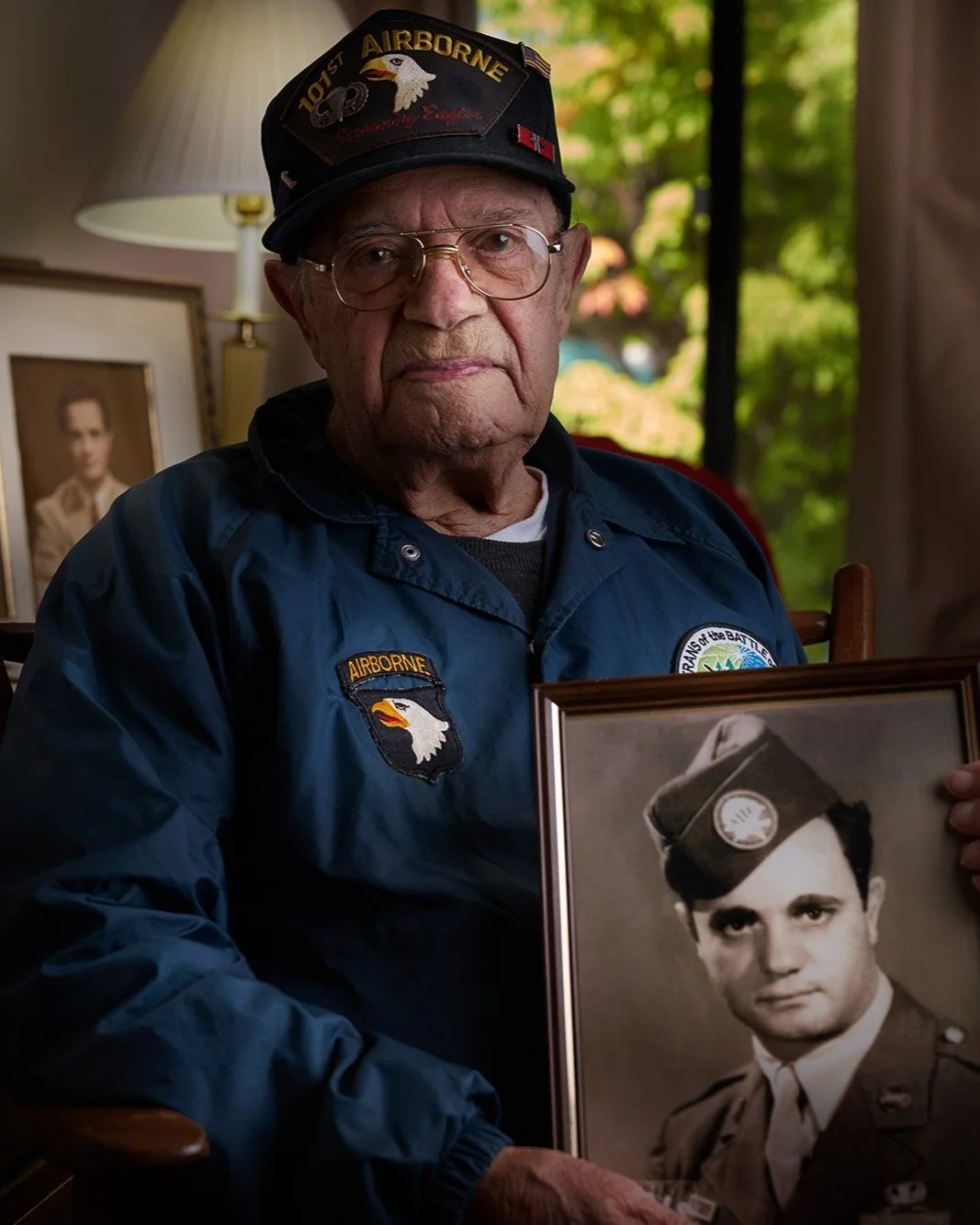
John CIPOLLA (Class of 2007)
Cipolla parachuted into combat on D-Day, 16 miles beyond enemy lines with the 101st Airborne, 501st HQ Company.
-
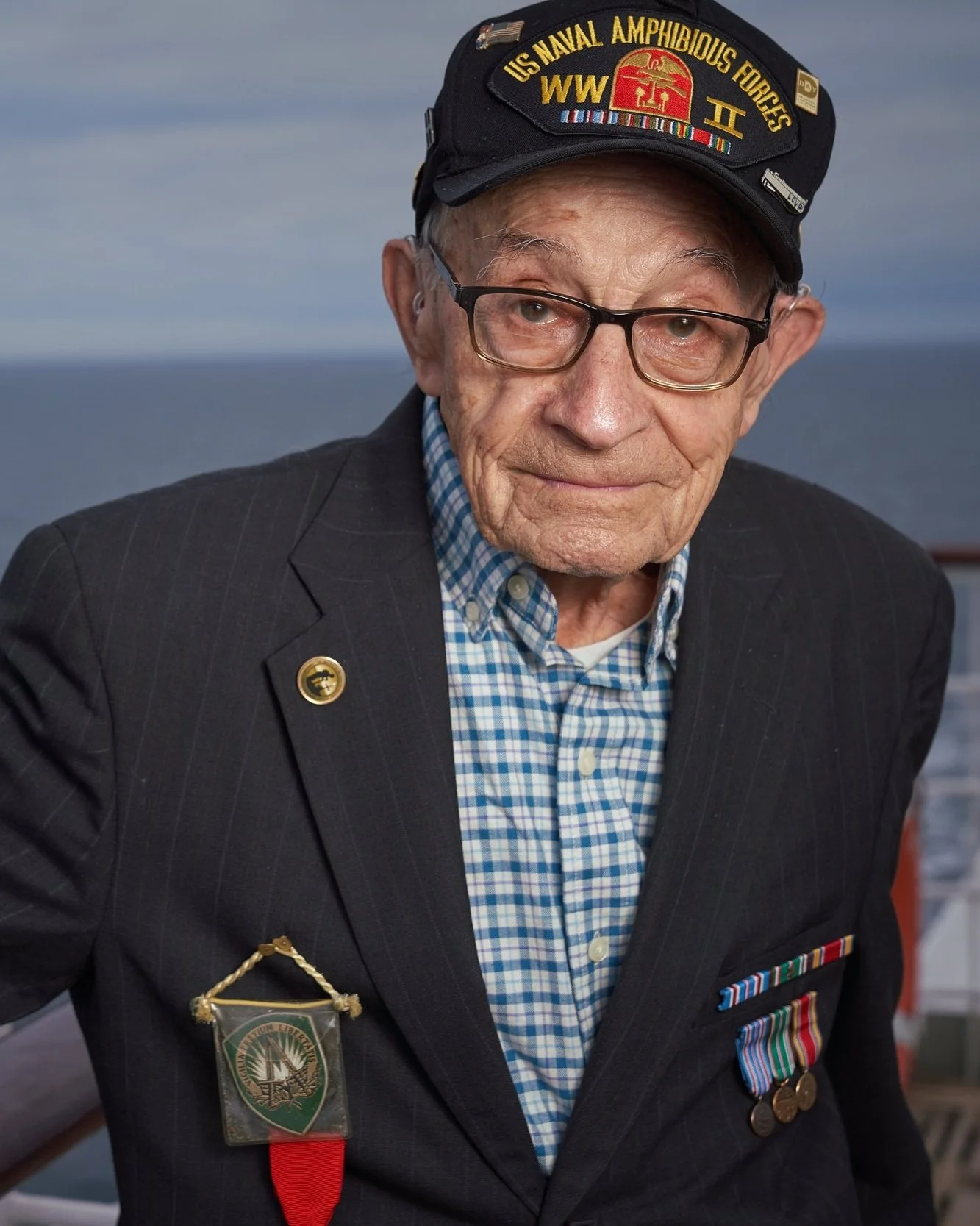
Joseph SCIDA (Class of 2007)
Scida served as a LCVP coxswain on Omaha Beach, transporting soldiers from the 1st Infantry Division in to Battle of D-Day.
-
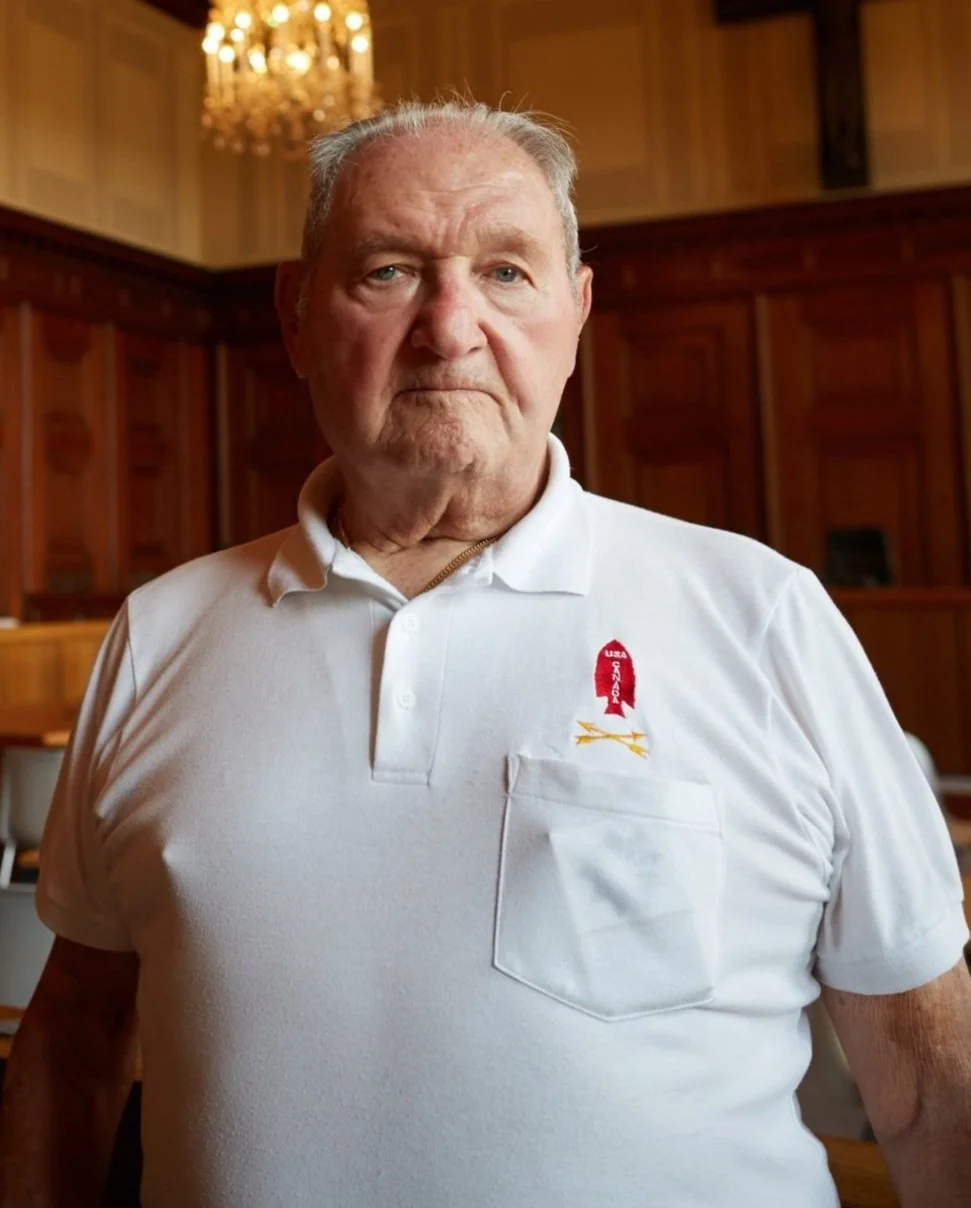
Cy MERMELSTEIN (Class of 2004)
Mermelstein served with the First Special Service Force 3rd Company, 1st Regiment in North Africa, Italy, and France.
-
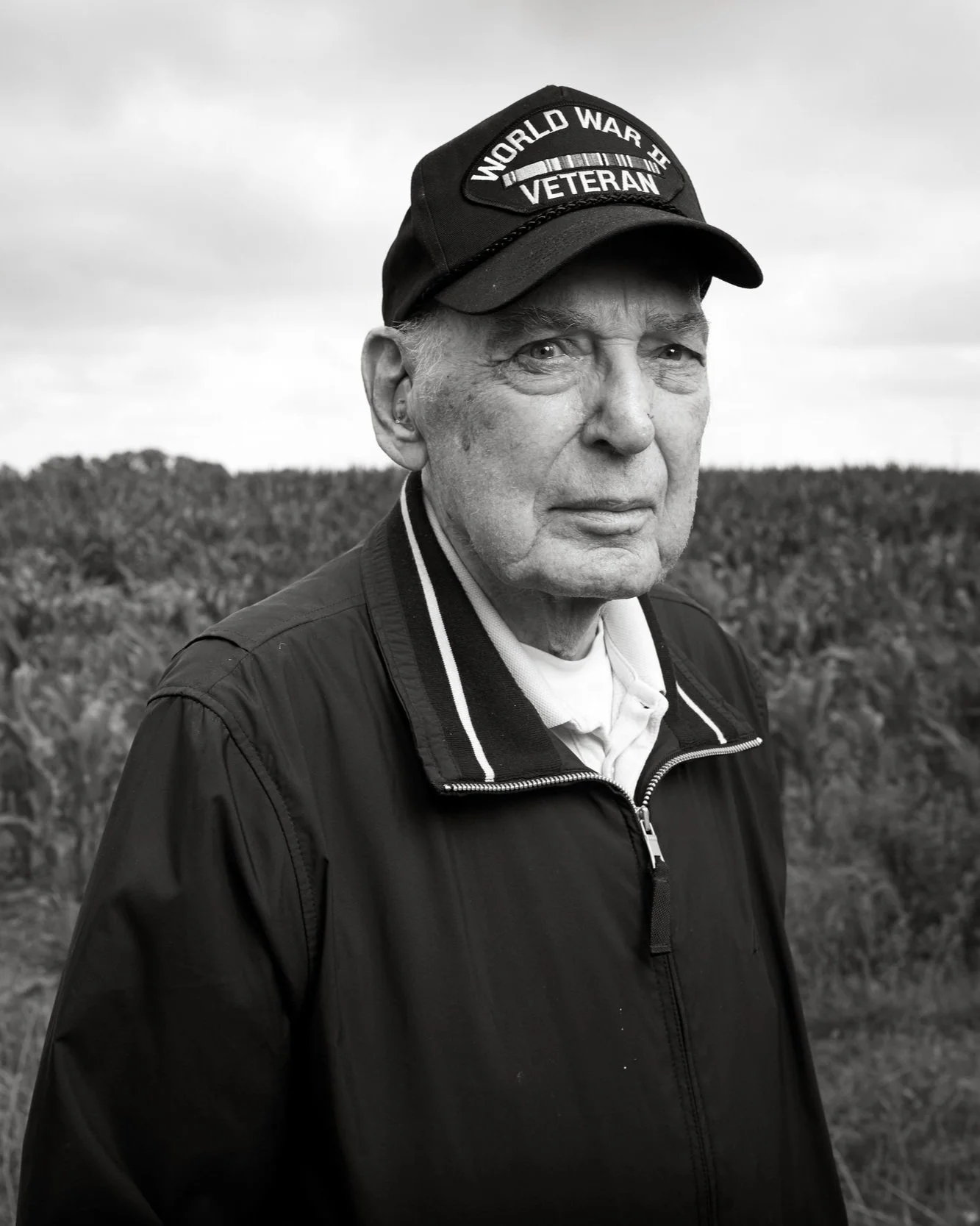
Arthur MEYERS (Class of 2004)
Meyers, a navigator with the 446th Bombardment Group, flew 24 missions and spent 20 months as a POW in Germany.
-
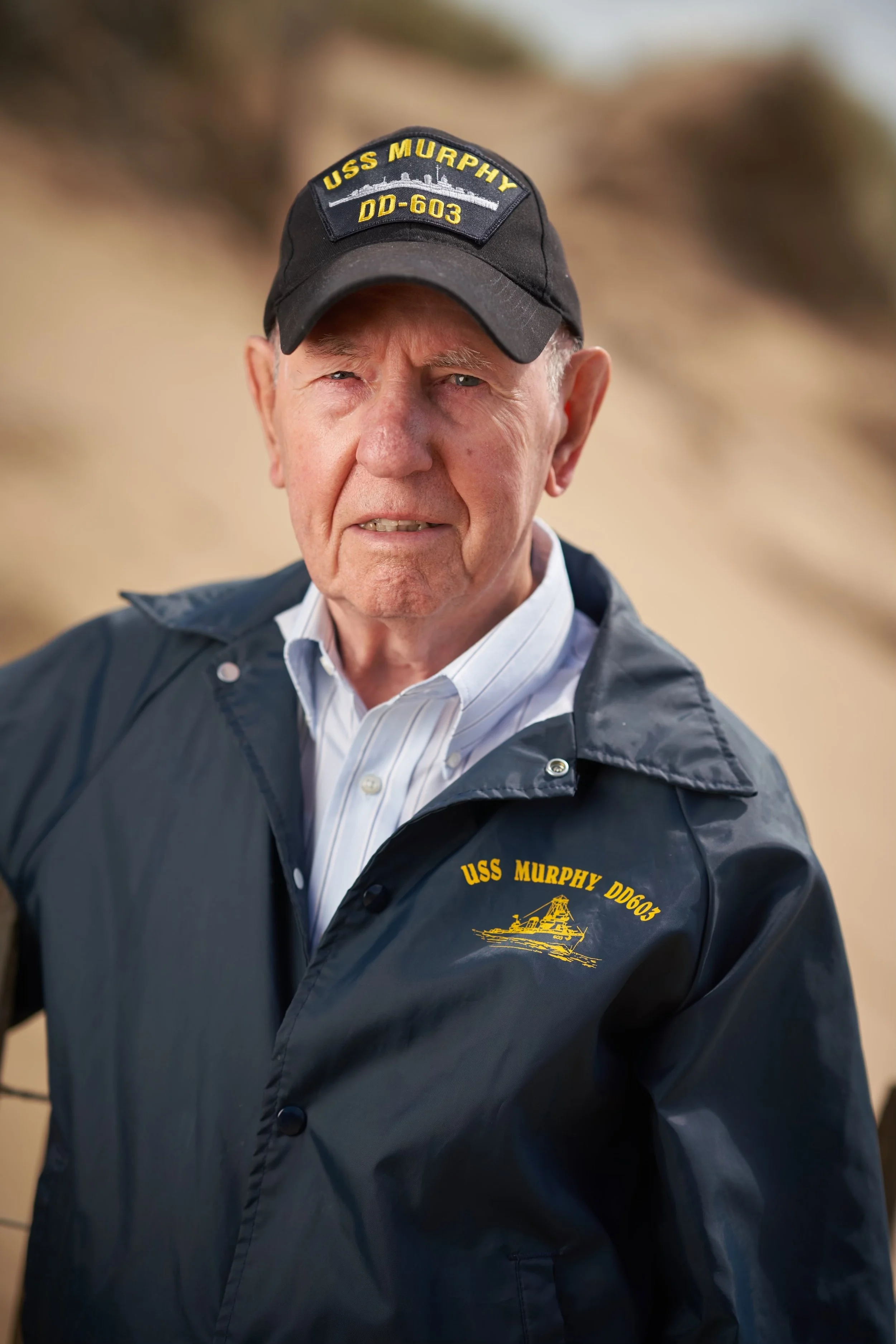
Donald COBB (Class of 2008)
Cobb, a D-Day veteran in the US Navy, served as a Radio Man, Second Class, in Normandy during World War II.
-
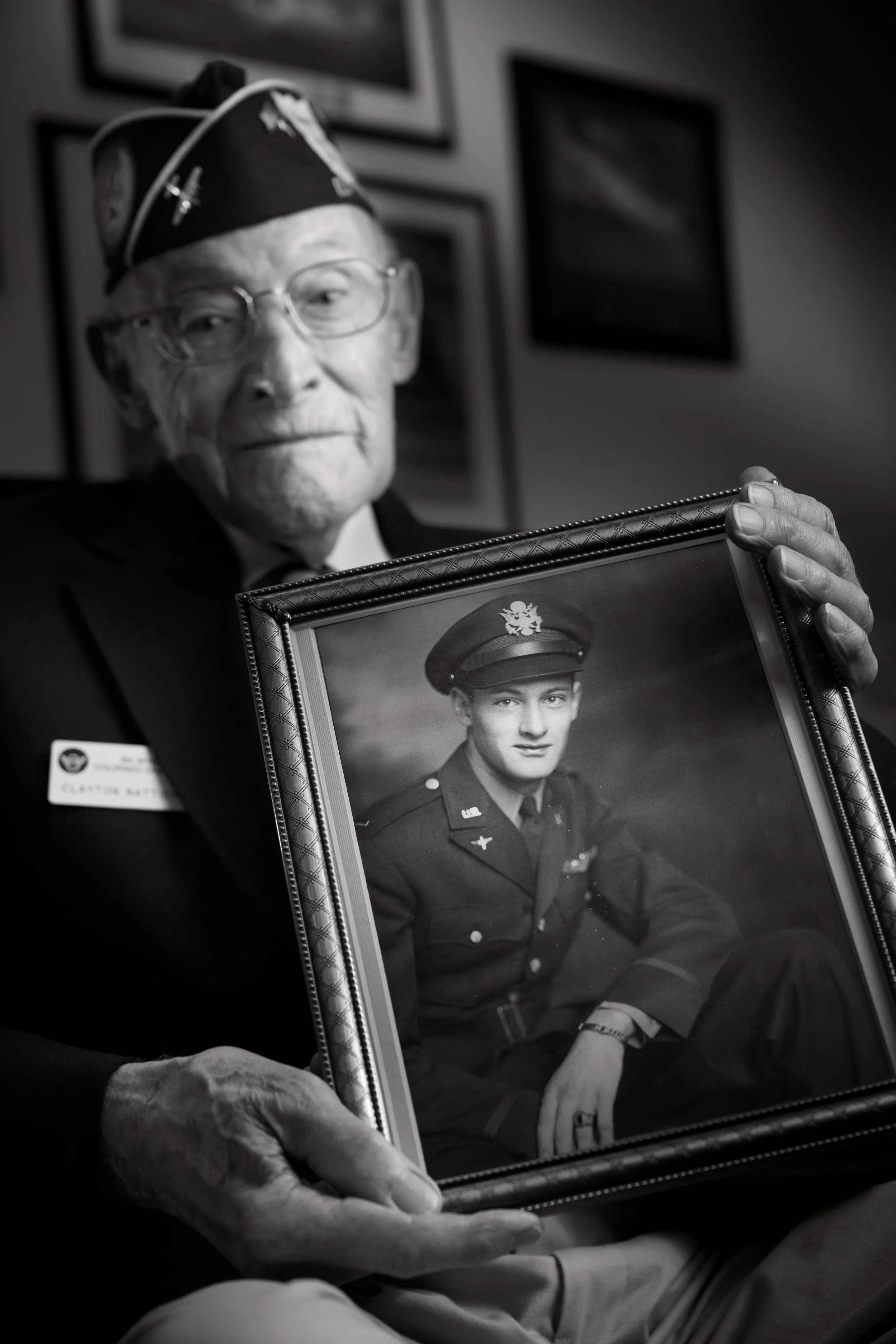
Clayton NATTIER (Class of 2002)
Nattier flew 16 missions with the 369th Bomb Squadron, 306th Bomb Group, before being shot down on Sept 13, 1944.
-
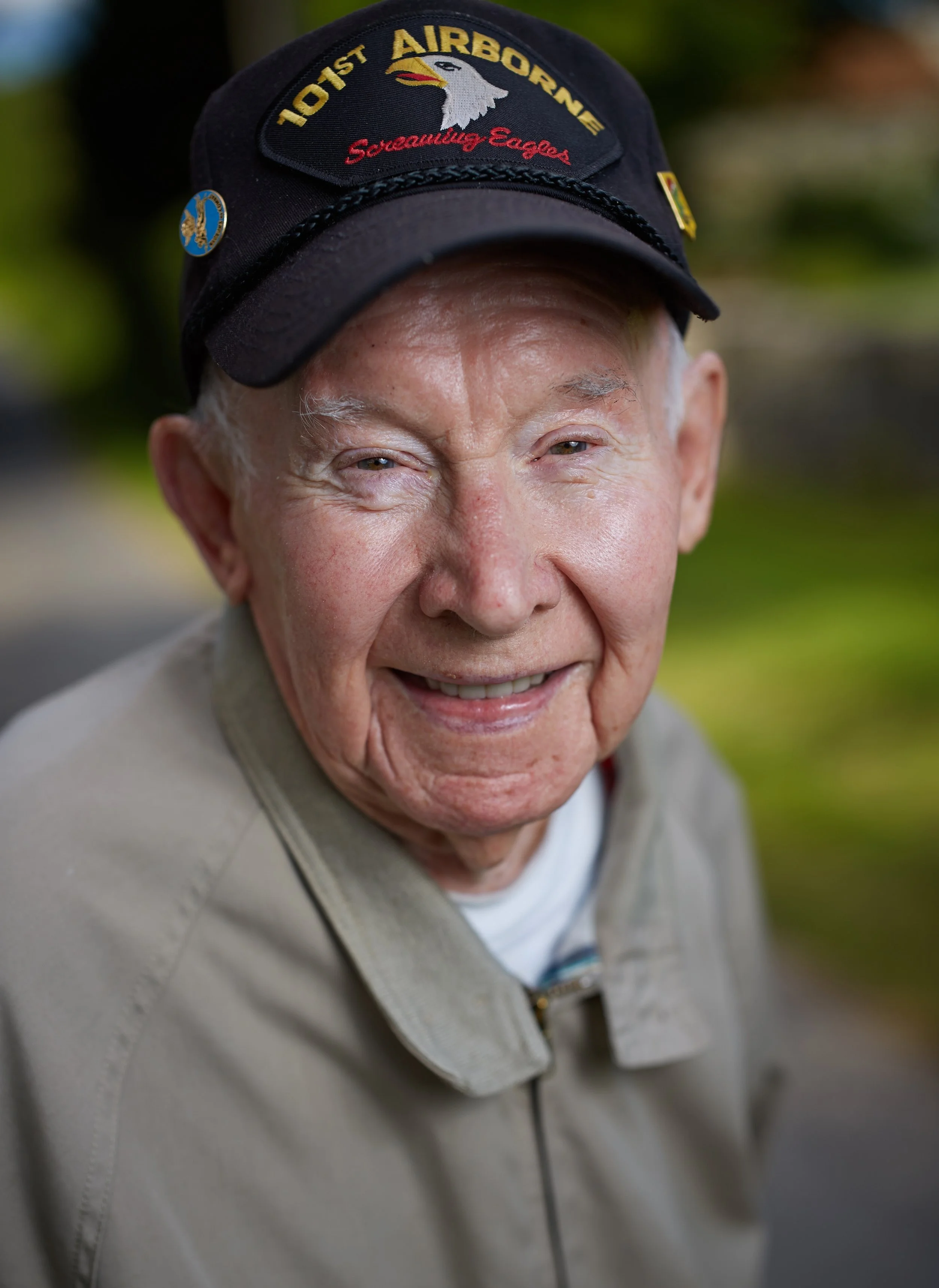
Joseph REILLY (Class of 2009)
Reilly parachuted into combat on D-Day, 16 miles beyond enemy lines with the 101st Airborne, 501st HQ Company.
-
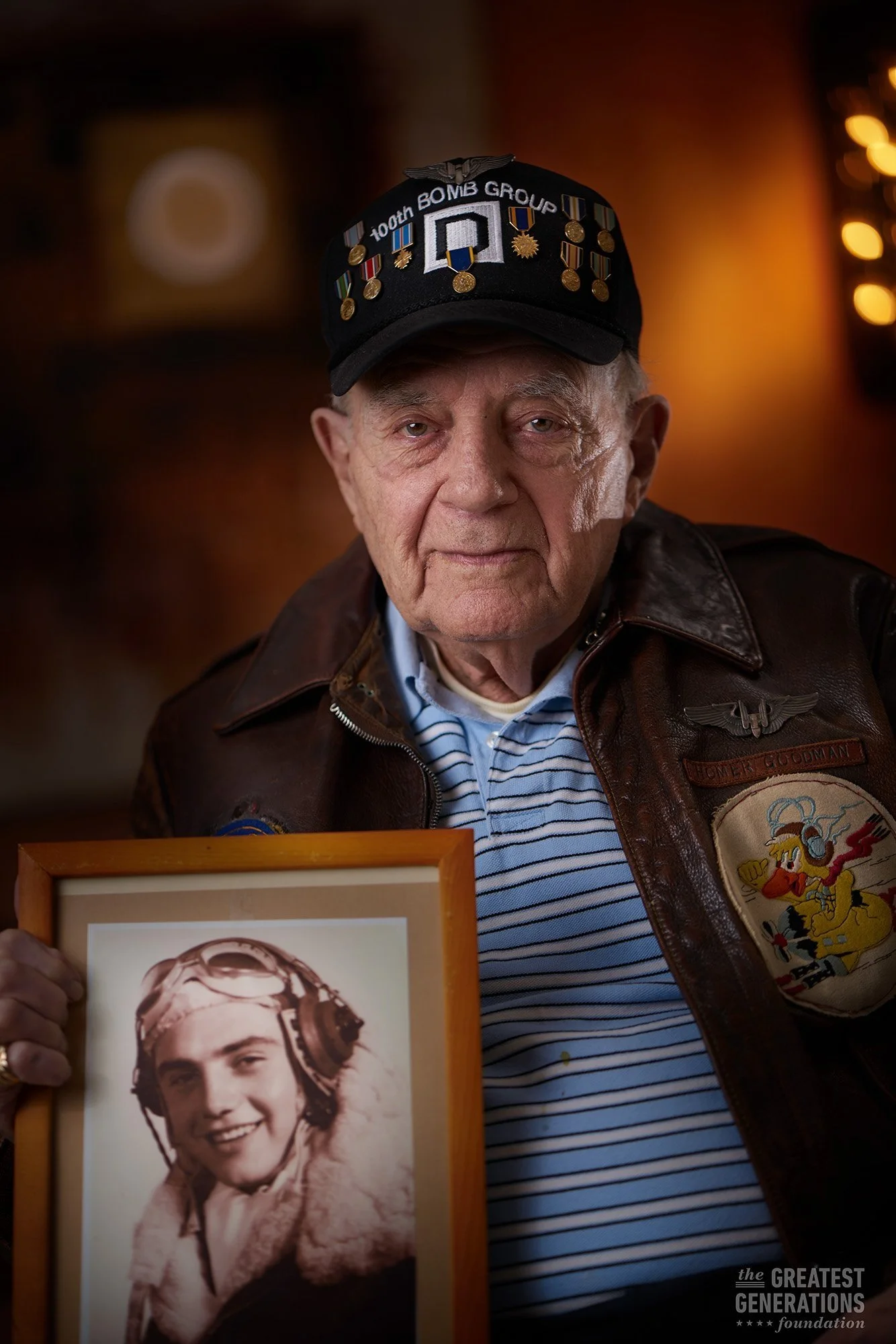
Homer GOODMAN (Class of 2006)
Goodman started as Ball Turret Gunner with the 418th Bombardment Squadron, 100th Bomb Group, flying 25 missions.
-

Frank DEVITA (Class of 2014)
Served as a Gunner’s Mate Third Class aboard the USS Samuel Chase (APA-26), a Coast Guard–manned Navy attack transport.
-

Floyd WIGFIELD (Class of 2019)
Wigfield was as drafted to serve with the U.S. Army’s 4th Infantry Division, landing on Utah Beach and severely wounded on D+5.
-
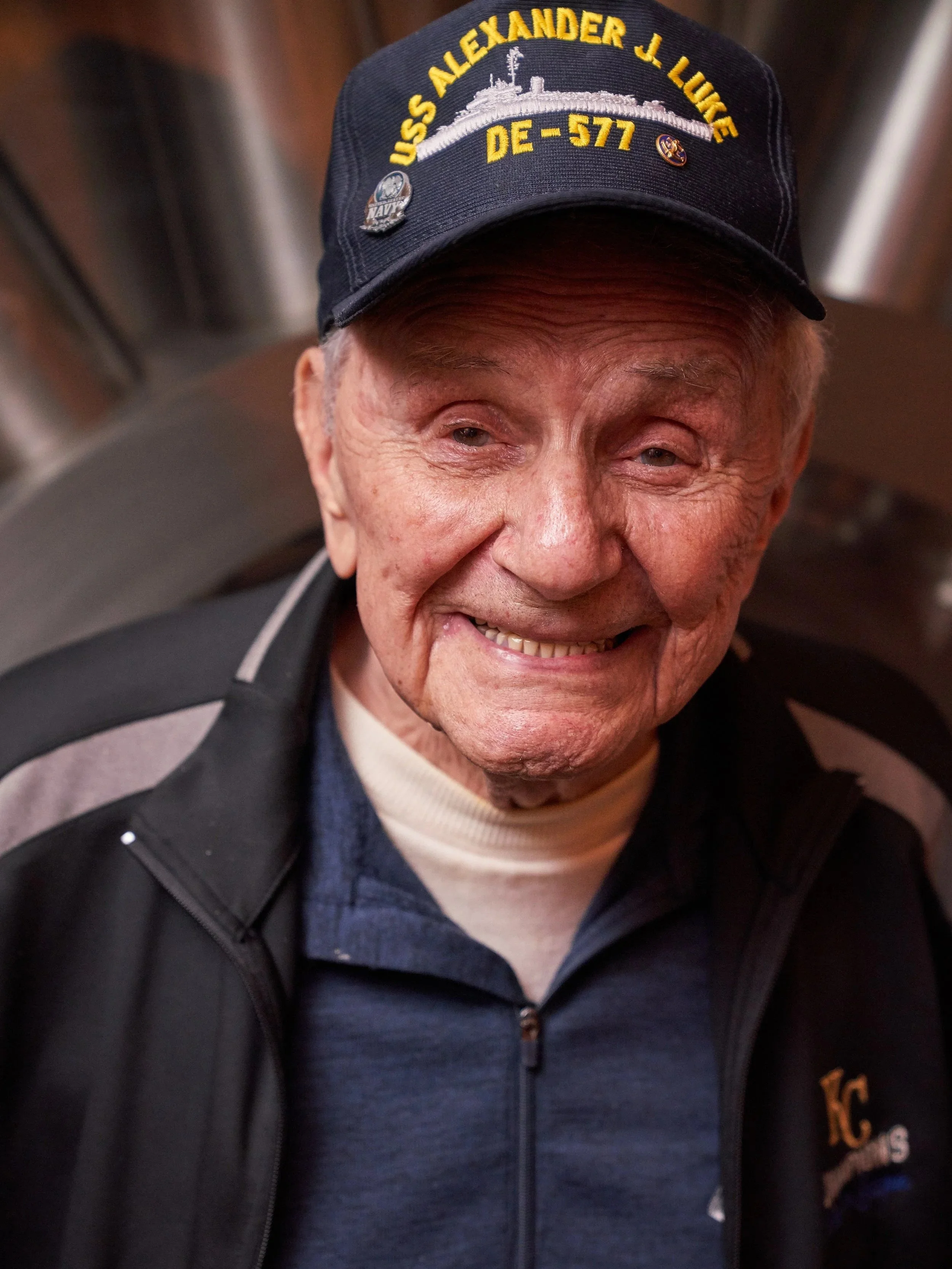
Bob GOLDSTEIN (Class of 2012)
Goldstein served aboard the USS Alexander J. Luke (DE-577), a destroyer escort that saw action during the Battle of the Atlantic.
-
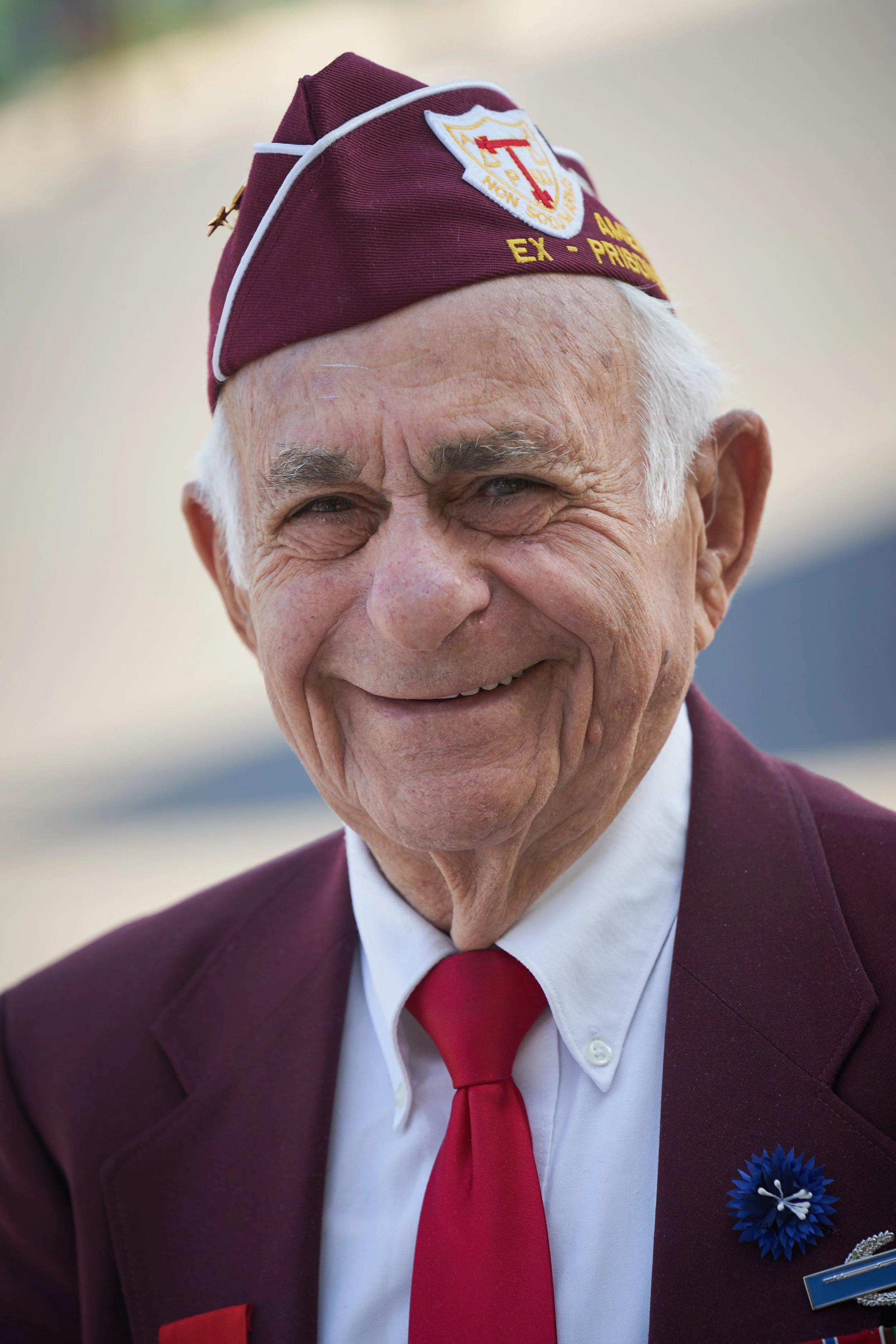
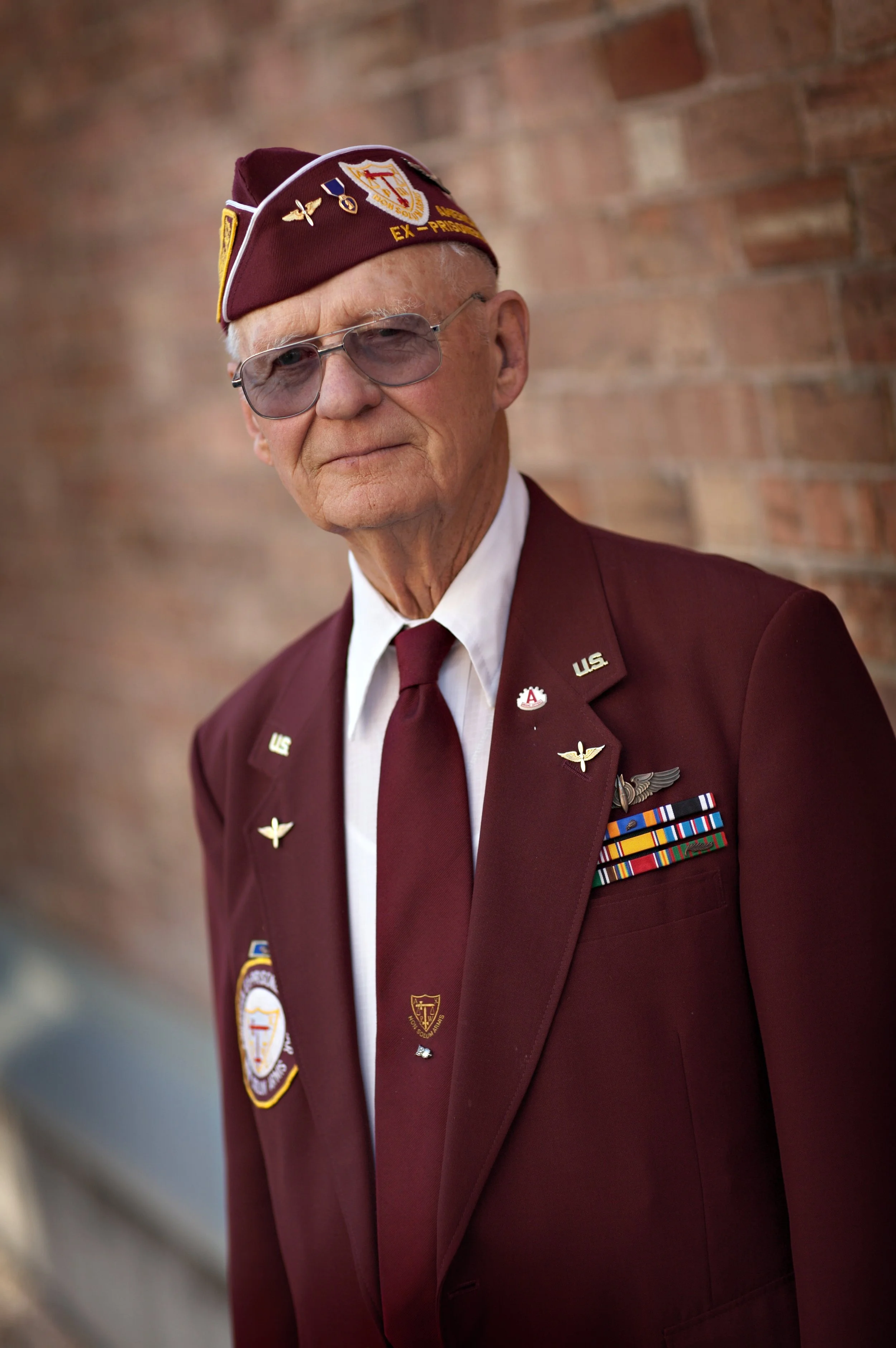
Harold RADISH (Class of 2013)
Radish, a reconnaissance sergeant with the 90th Infantry Division, was captured by German forces in February 1945.
Frequently Asked Questions
-
To recognize and reward young people who exemplify the values of our organization, yet lack the financial means to experience Normandy, France. Through this opportunity, participants are provided with leadership development, cultural enrichment, and adventure-based learning.
-
Leadership development is central to our program. Through field trips, team-building activities, and mentorship, youth build confidence, strengthen communication and decision-making skills, and develop into capable leaders. These experiences prepare them to serve others and make a meaningful, positive impact in their communities today.
-
Cultural enrichment deepens students’ understanding of World War II by connecting them with the history, people, and places that shaped it. Through museums, memorials, and conversations with veterans and local communities, participants gain perspective, empathy, and a lasting appreciation for sacrifice, service, and freedom.
-
Community outreach programs provide youth with meaningful opportunities to serve others through volunteer projects, nonprofit partnerships, and initiatives that respond to local needs. These experiences strengthen civic responsibility, encourage compassion, and inspire participants to return home committed to making a positive difference in their own communities.
-
Adventure-based learning invites youth to walk in the footsteps of heroes, experiencing the landscapes, challenges, and history that shaped their sacrifice. Through immersive, active learning, participants build resilience, teamwork, and character while gaining a deeper appreciation for courage, service, and the legacy of freedom.
-
The patriotic travel component immerses youth in historic sites tied to America’s military heritage and veterans’ contributions. Through visits to memorials, battlefields, and museums, participants gain a deeper understanding of the sacrifices made by U.S. veterans and the enduring values they fought to uphold.
-
Our program is designed for youth ages 13 to 18 who share our core values. We are committed to fostering an inclusive environment and welcome applicants from all backgrounds. Eligibility is based on value alignment and demonstrated need, not personal circumstances.
-
School groups interested in enrolling their students can apply through our website. The application process is straightforward and includes a form that gathers information about students’ backgrounds, interests, and motivations. We also encourage schools to submit personal statements that share their aspirations and goals for participating in the program.
-
Our program is committed to being accessible to all eligible youth, regardless of financial circumstances. We work to keep costs minimal—or eliminate them entirely—through sponsorships and grants supported by our donor-advised fund. If any expenses arise, they will be communicated in advance. We remain devoted to ensuring that no young person is ever prevented from participating due to financial barriers.
-
There are many ways to support our program—through volunteering, mentoring, or making a financial contribution. We welcome individuals and organizations to partner with us in enriching the experiences we provide. To learn more about getting involved, please visit our website or contact us directly.