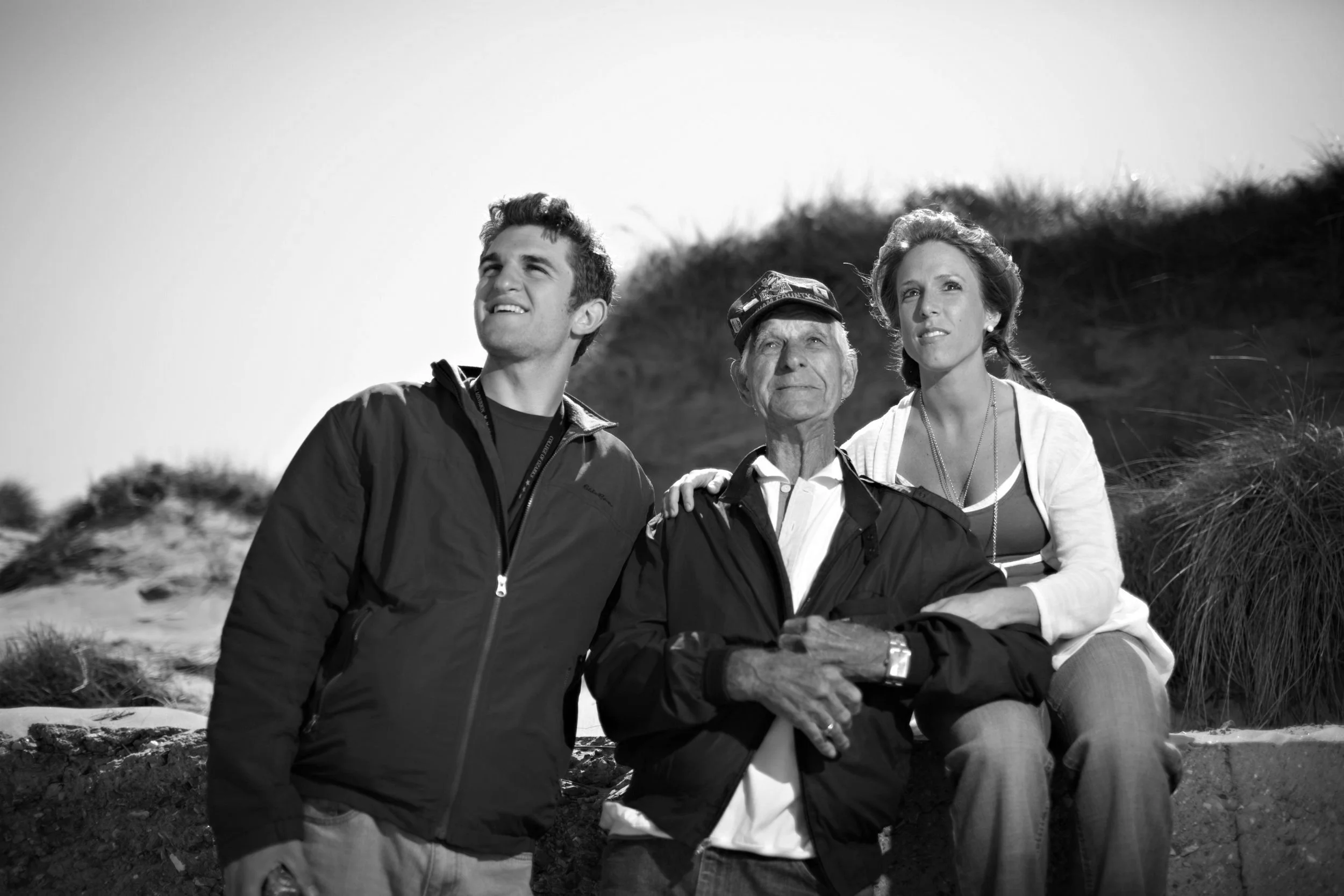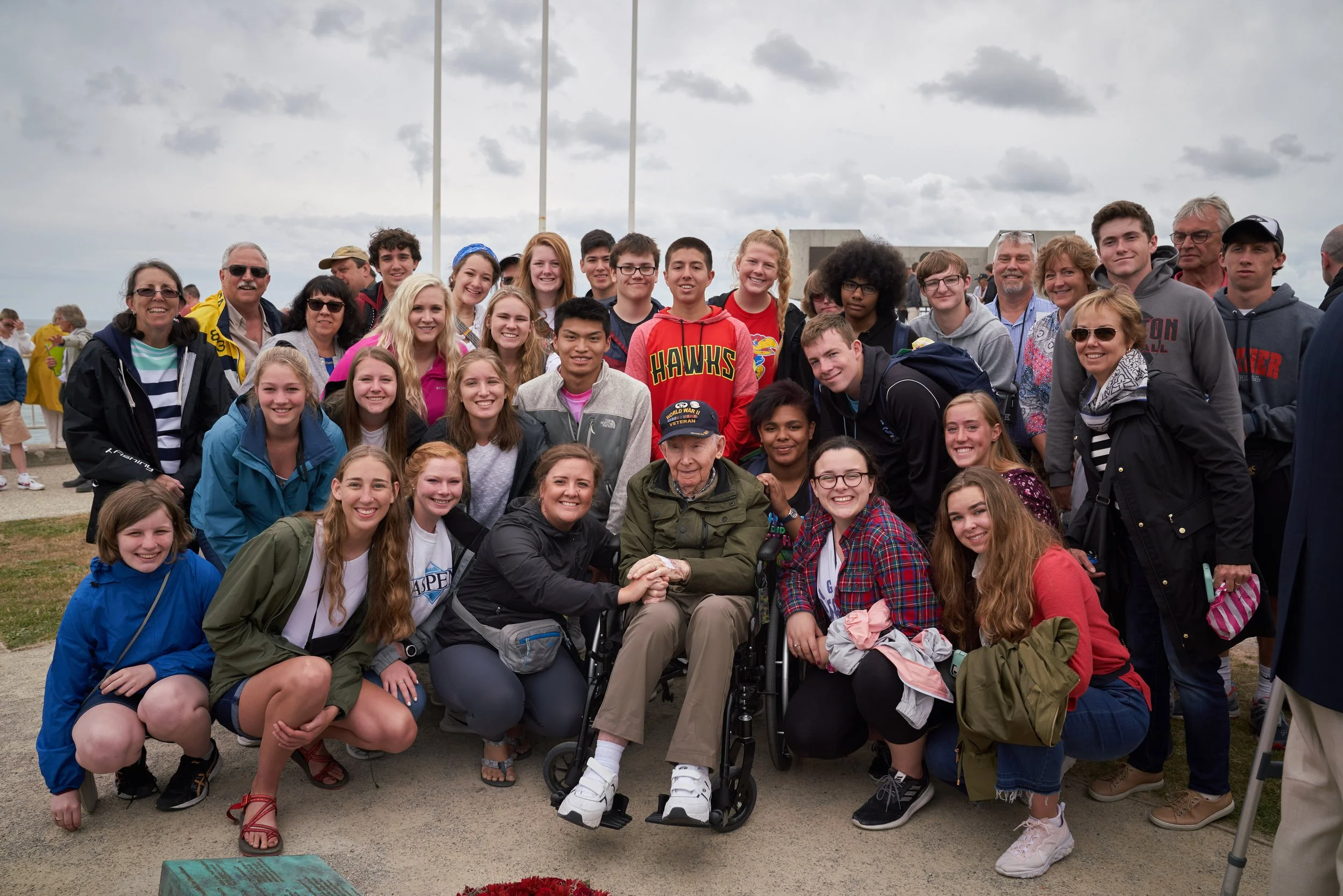
“HISTORY CHANGES WHEN YOU STAND WHERE IT HAPPENED.”
— Joseph REILLY, co-Founder
FOR STUDENTS
History Changes When You Stand Where It Happened
Connecting Generations offers selected students more than access to an exceptional World War II education. It is an opportunity to encounter the values of service, courage, sacrifice, citizenship, and love of country through the stories of those who lived them. Students are invited to become thoughtful stewards of this history—preserving memory, honoring those who served, and carrying their experiences forward as the generation of firsthand witnesses passes from living memory. In doing so, participants become more than students of history; they become memory holders entrusted with ensuring that its lessons endure.
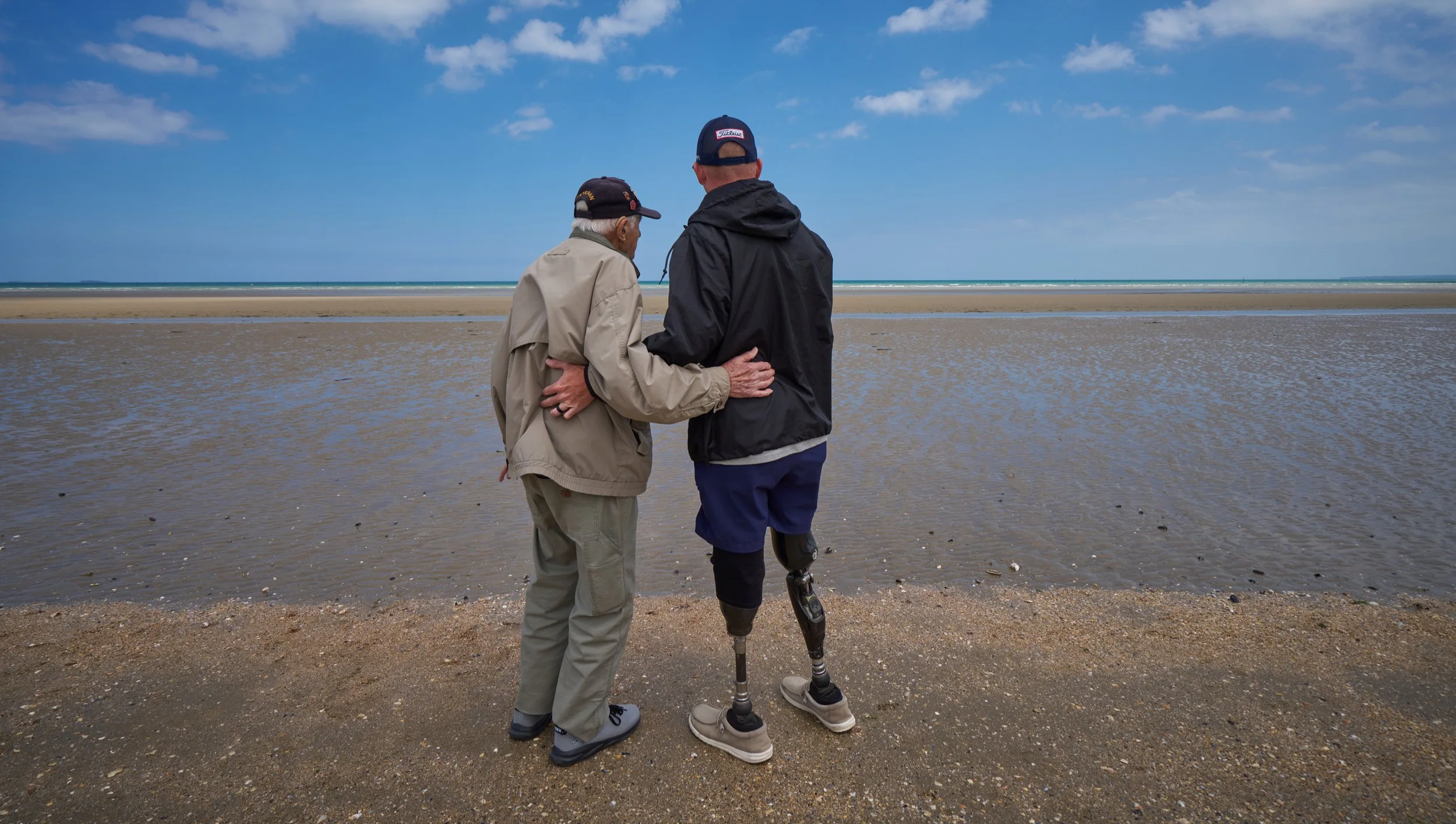
SHARED HISTORY — NORMANDY
Where Generations Connect
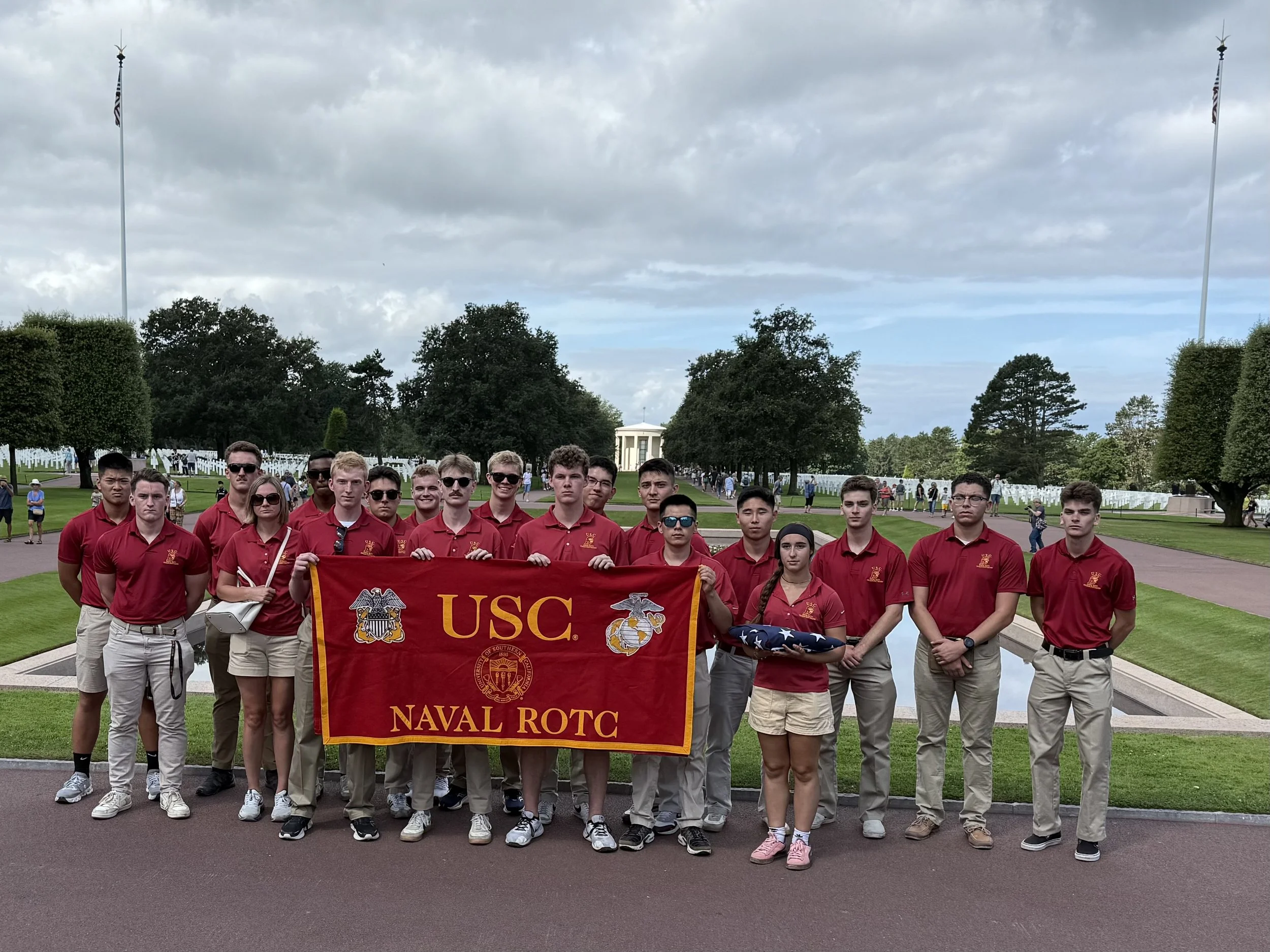
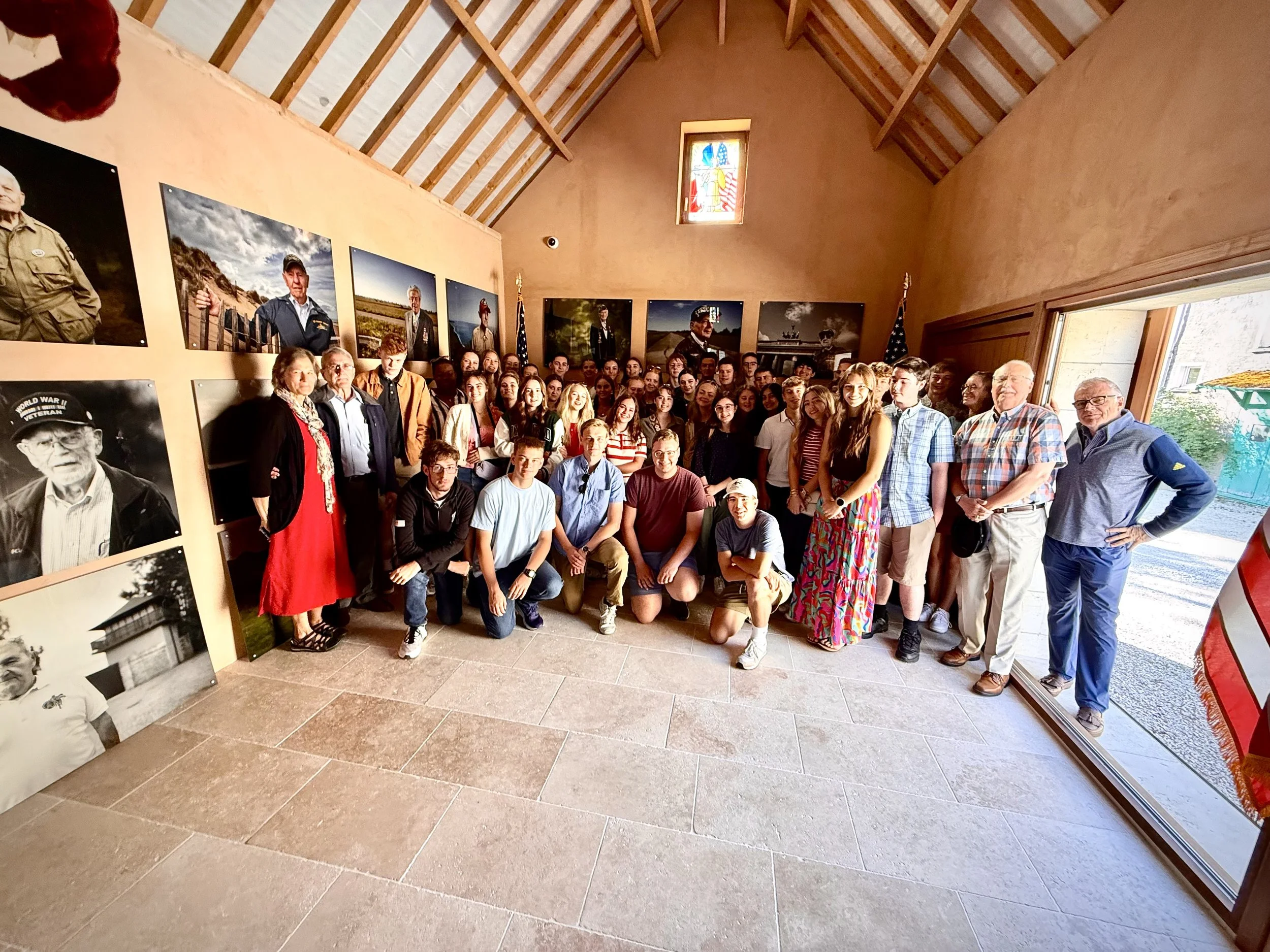
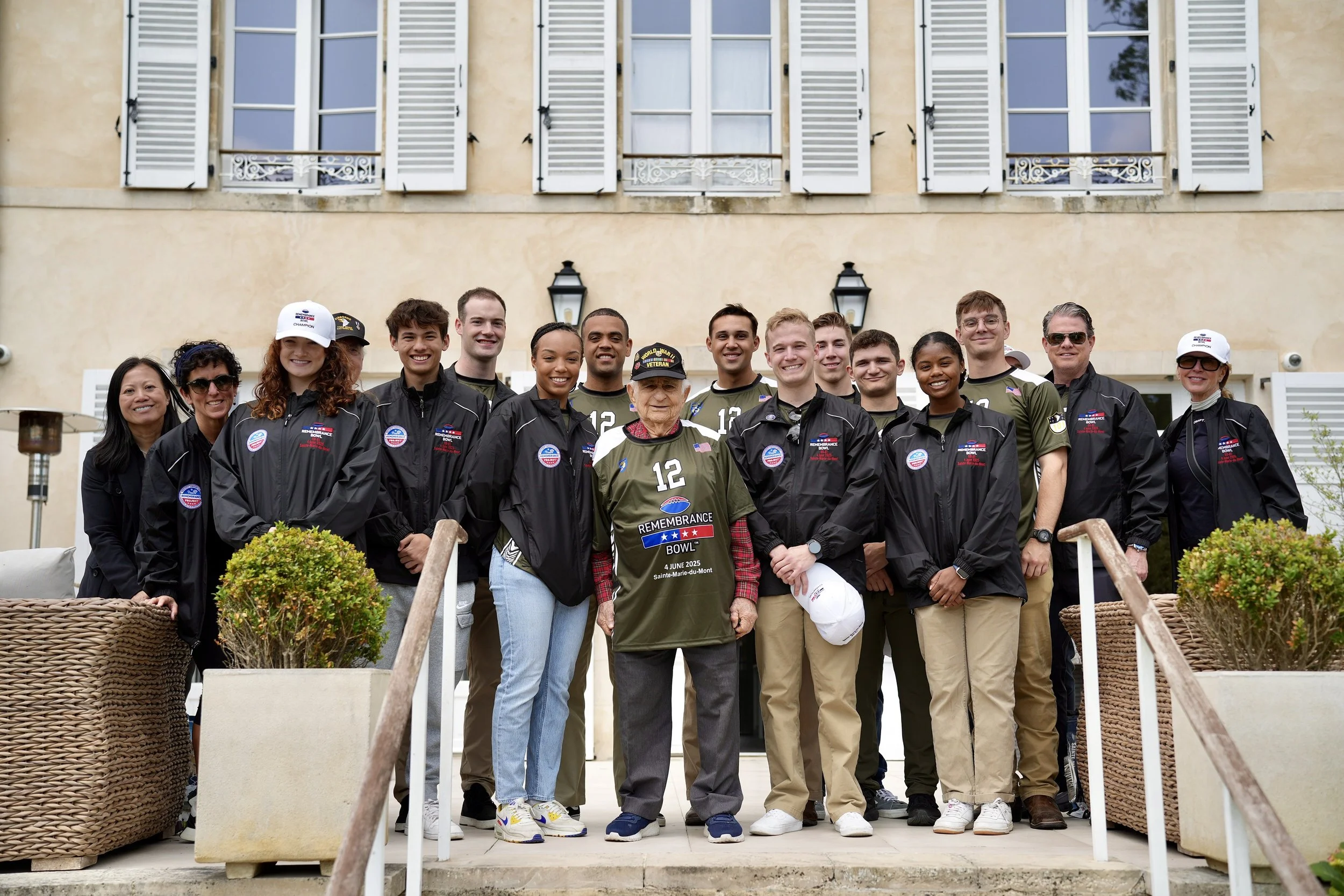
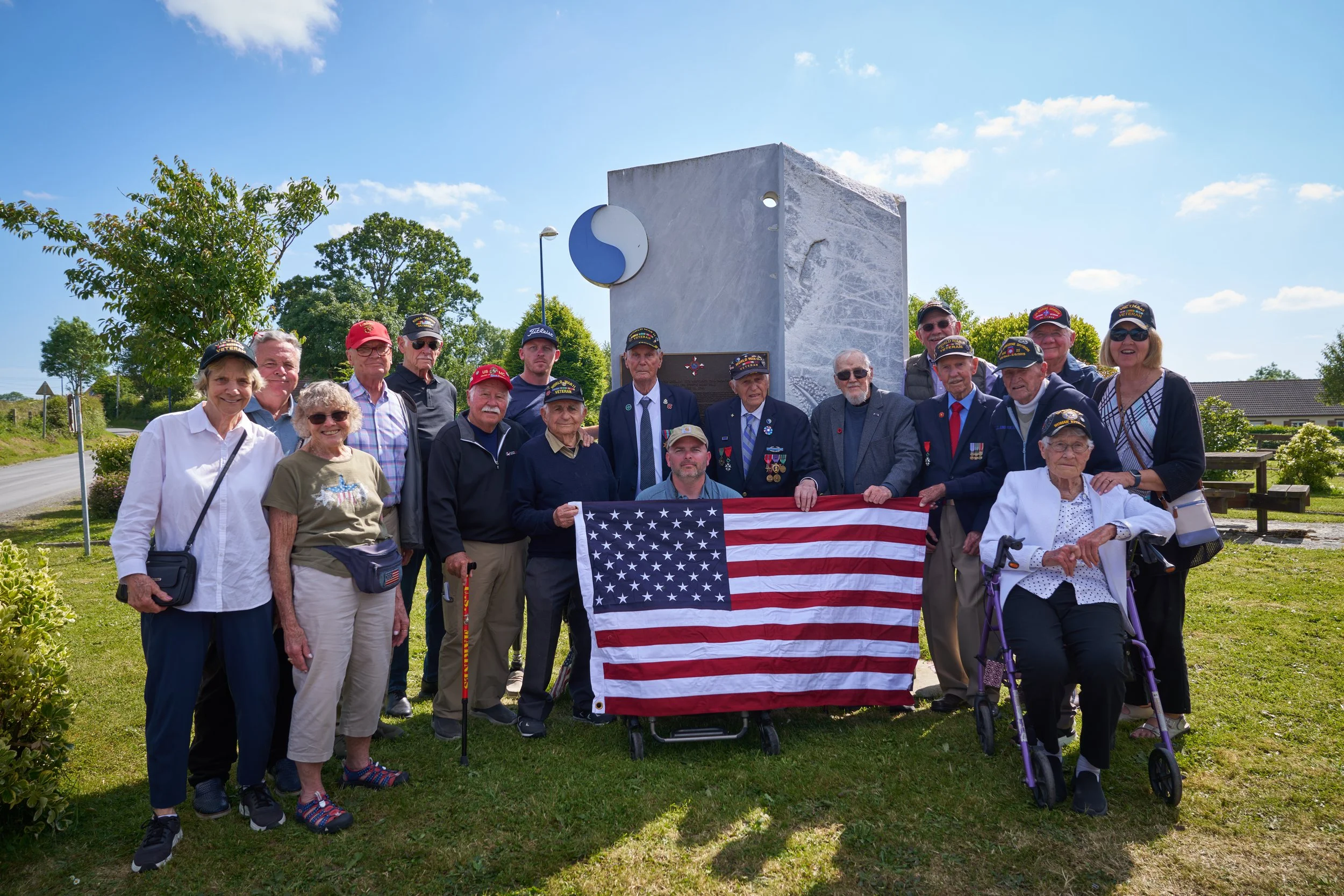
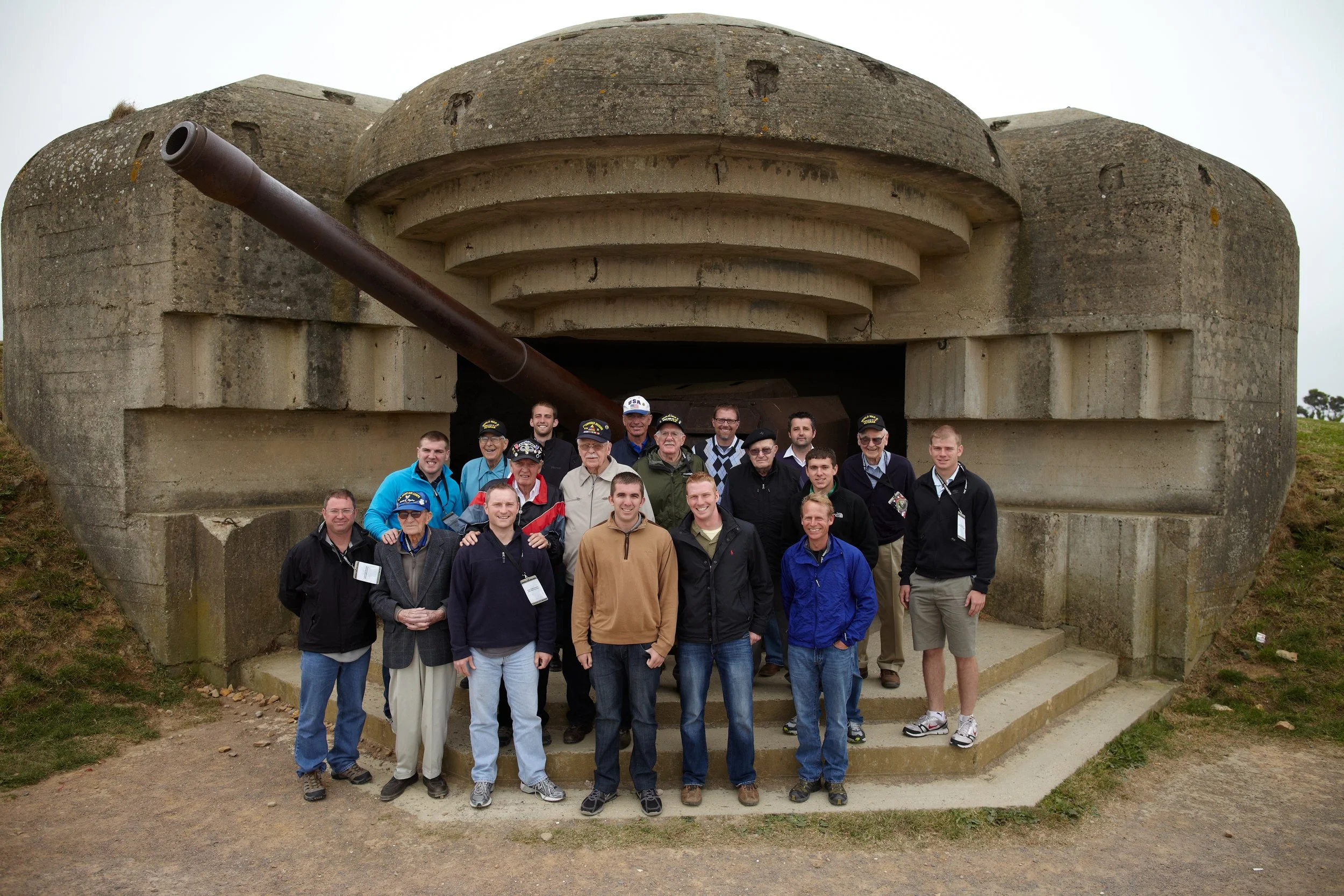
Normandy is more than a historic landscape; it is a place where memory is shared across generations and nations. Its beaches, villages, memorials, cemeteries, and communities preserve the human story of World War II and the enduring bonds formed through sacrifice, liberation, and remembrance. By encountering this history where it unfolded, students gain a deeper appreciation for the people who lived it and for the responsibility each generation shares in ensuring that their experiences are neither forgotten nor diminished.
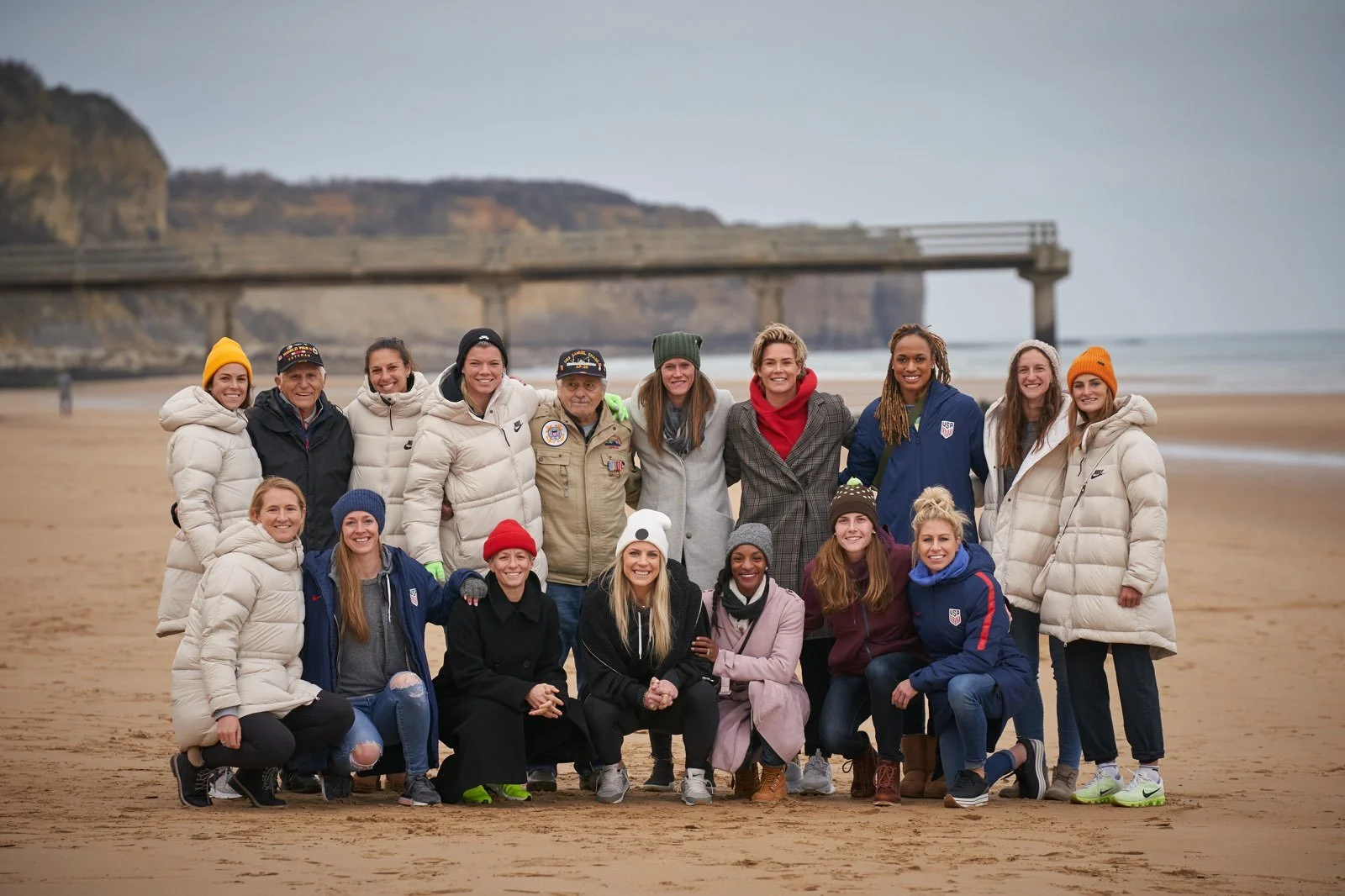
PREPARATION
Building the Foundation for Discovery
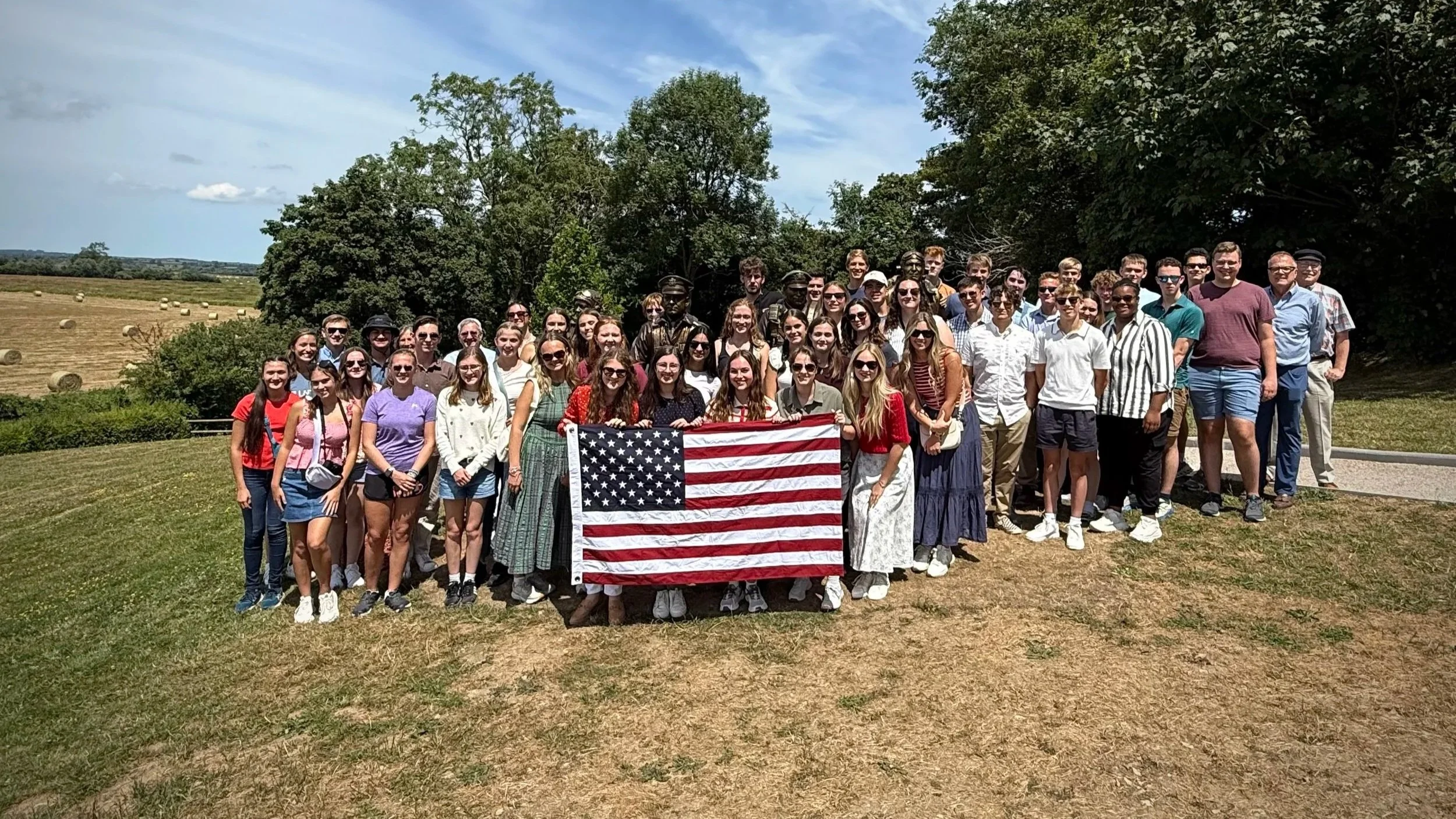
The educational experience begins well before students arrive in Normandy. Through guided scholarship, primary sources, maps, personal testimony, and independent research, participants develop the historical context necessary for serious study in the field. Preparation encourages students to examine evidence, question assumptions, and understand the people, decisions, and consequences that shaped World War II. By the time they reach Normandy, they are prepared not simply to observe historic places, but to interpret them with greater knowledge, curiosity, and perspective. In this way, preparation transforms experience into deeper understanding.
FIELD STUDY
Understanding History on the Ground
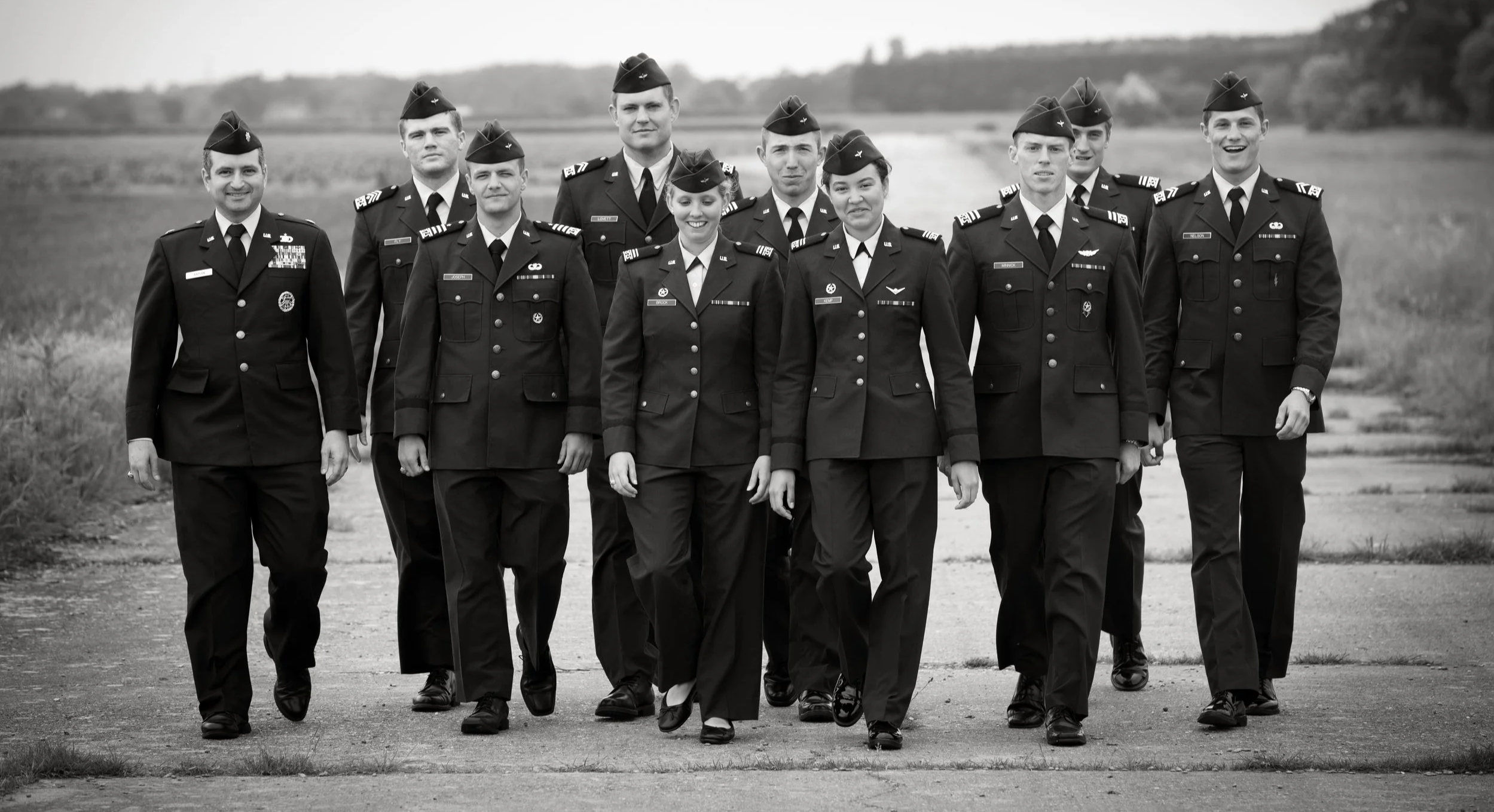
In Normandy, students examine history within the landscape itself. They study the battle terrain, military operations, civilian experiences, leadership decisions, and individual stories while considering how geography, circumstance, and human choices influenced events. Field-based discussion and historical inquiry encourage students to move beyond memorization and develop a more thoughtful understanding of how history is interpreted, remembered, and carried forward.
THE CURRICULUM
Beyond the Battlefield
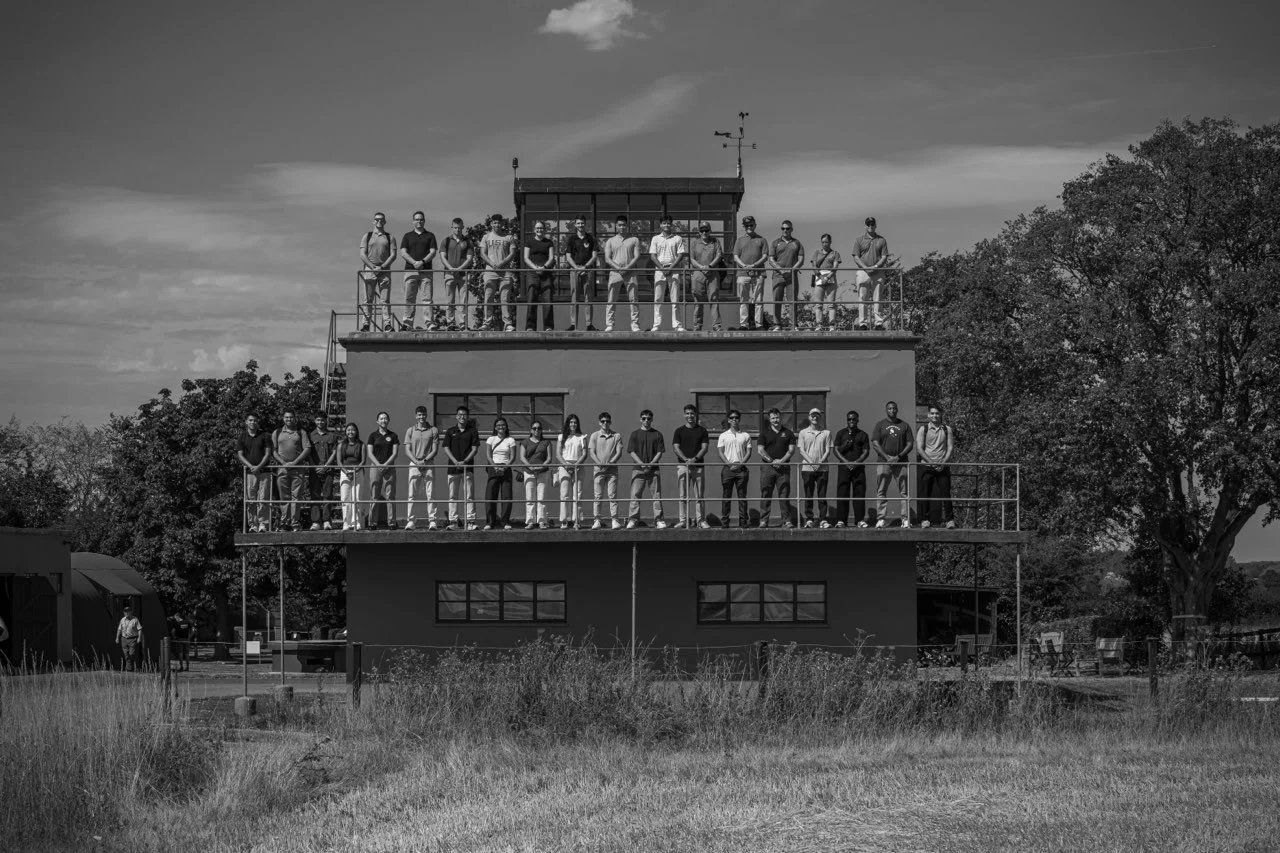
World War II serves as a rigorous framework for examining leadership, democracy, citizenship, prejudice, sacrifice, freedom, and the consequences of human decision-making. Through primary sources, historical scholarship, and individual testimony, students explore not only how events unfolded, but why they mattered and how their effects continue to shape the present. The curriculum encourages careful analysis, independent thought, and an appreciation for historical complexity—preparing students to approach the past with intellectual discipline and the future with a stronger sense of responsibility.
WHY NORMANDY?
Where History Becomes Tangible
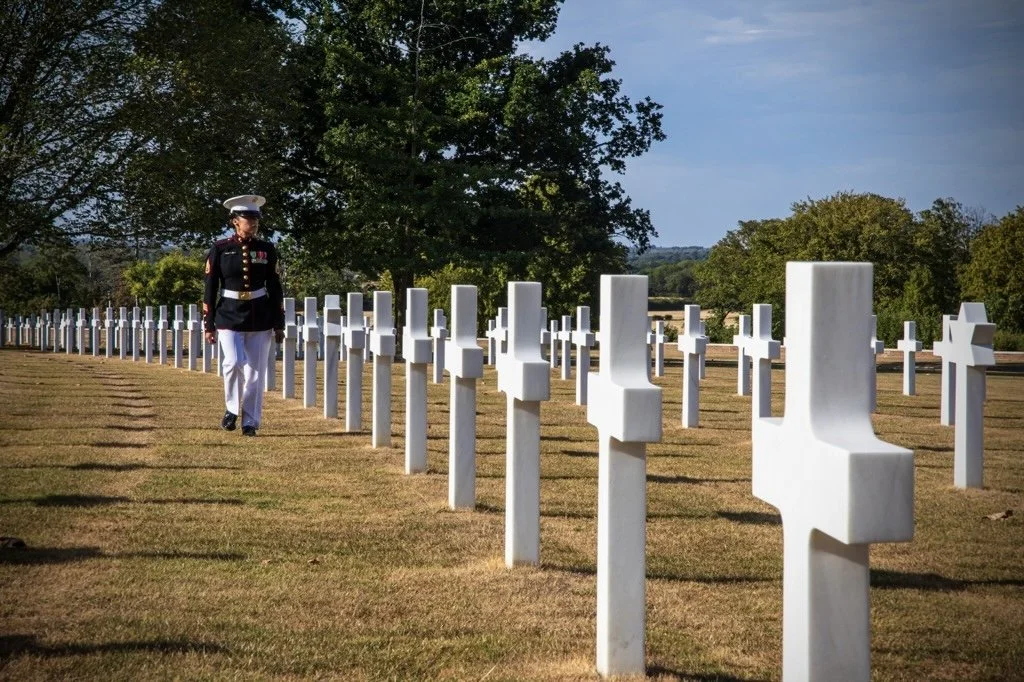
Normandy allows students to experience the scale and human dimensions of World War II in ways a classroom alone cannot provide. The beaches reveal the challenges of D-Day, the countryside demonstrates the realities of the campaign, the villages preserve stories of occupation and liberation, and the cemeteries make the human cost impossible to overlook. Here, history is no longer distant. It has a landscape, a human story, and a lasting consequence.

CONNECTING GENERATIONS
Carrying History Forward
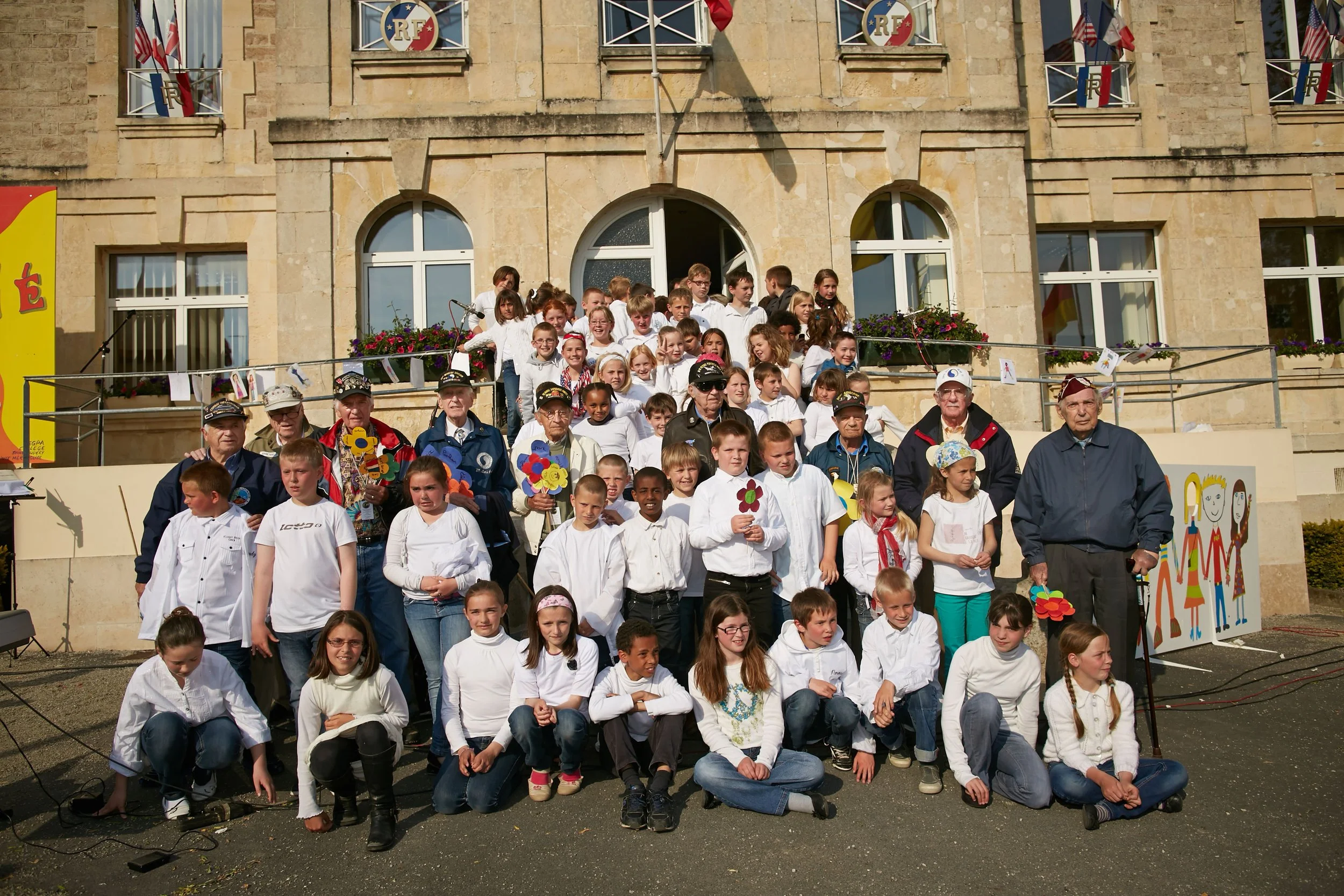
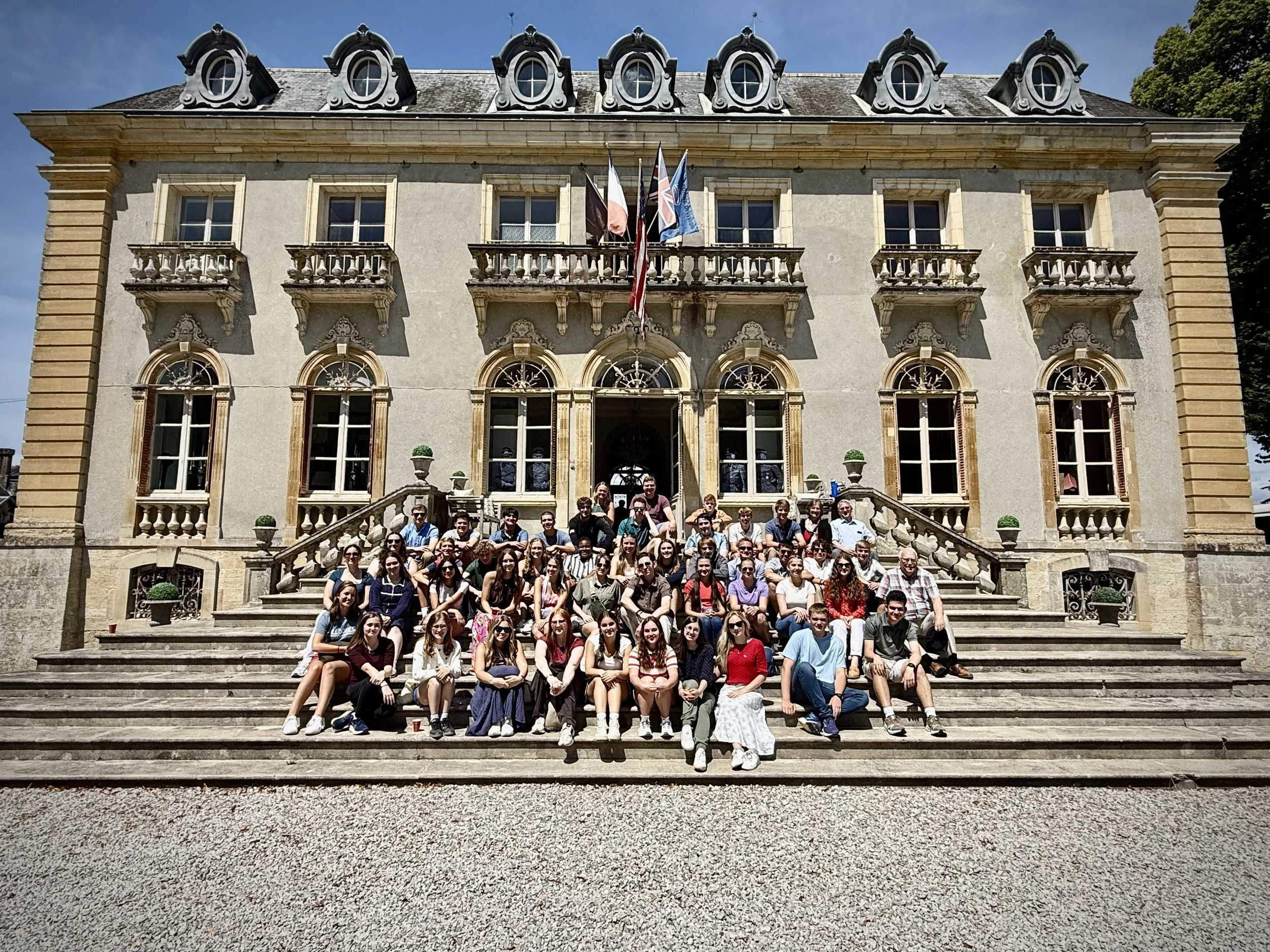
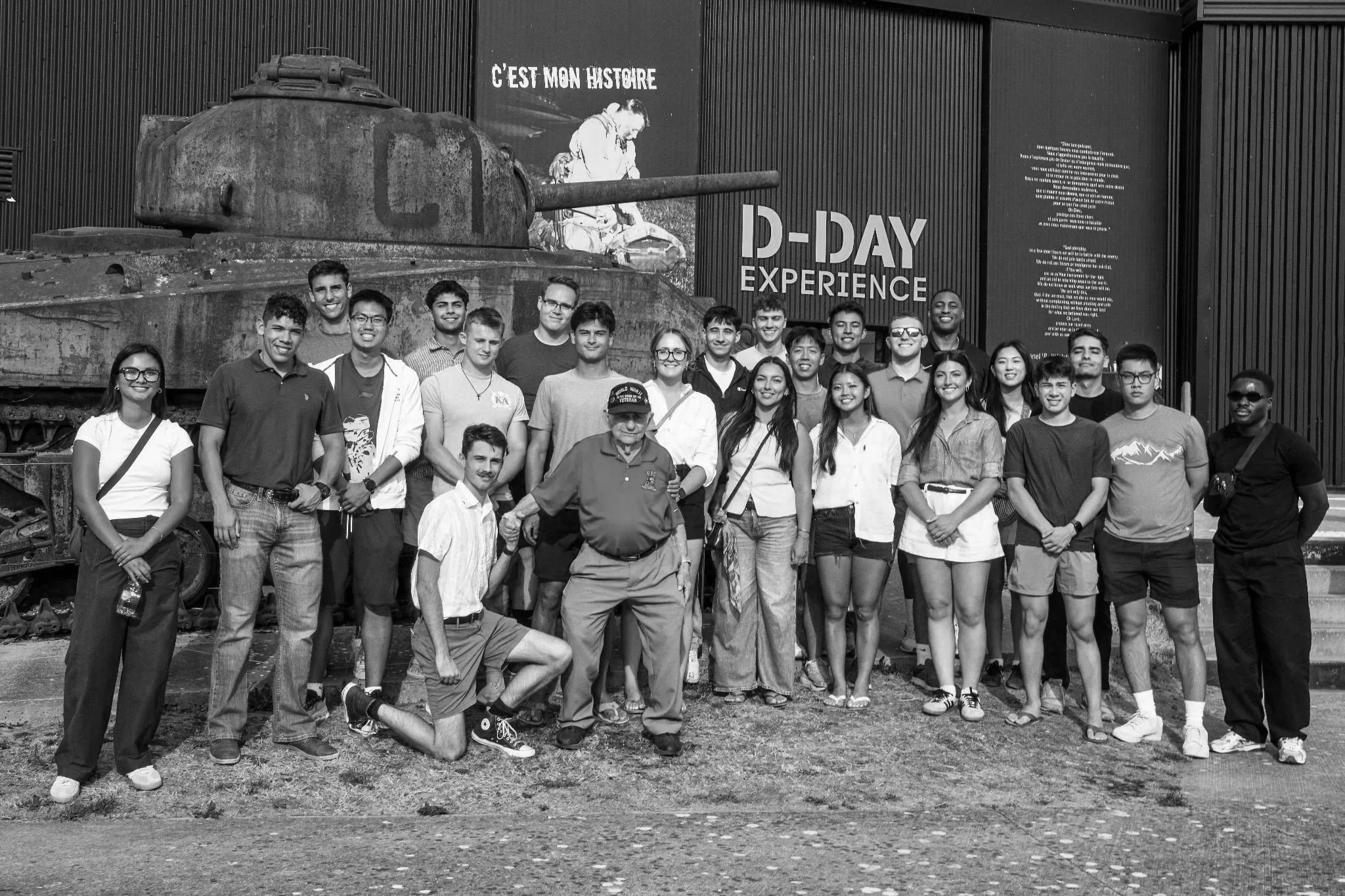
As the generation that experienced World War II passes from living memory, the responsibility to understand and preserve its history passes to those who follow. Connecting Generations prepares students to become part of that responsibility by encouraging them to return home and share what they have learned with their schools, families, and communities. The experience is designed to reach beyond those selected to participate. Each student has the potential to carry the lessons of history to many others.
Learn it. Understand it. Carry it forward.
WHO SHOULD APPLY?
For Those Prepared to Carry the Legacy Forward
Connecting Generations is intended for students who hold a deep respect for our country, the freedoms and democratic values it represents, and the men and women whose service helped defend them during World War II. We seek young people of character, curiosity, and maturity who want not only to study this history, but to become responsible stewards of the stories, sacrifices, and legacy of the World War II generation. Academic achievement is valued, but equally important are purpose, integrity, a willingness to learn, and a commitment to carrying these lessons forward in schools, communities, and future generations.
If you believe this history matters, if you value what it represents, and if you are prepared to help preserve its legacy, we invite you to apply.
FULLY FUNDED
Expanding Access to Exceptional Education
For selected students, participation in Connecting Generations is fully funded through philanthropy and institutional support. By removing the financial barriers associated with international study, the program ensures that access to an exceptional World War II educational experience is determined by a student’s potential, commitment, and capacity to benefit from the opportunity—not by financial circumstance. Philanthropic support therefore extends beyond travel; it invests in historical understanding, intellectual growth, and a new generation prepared to preserve, interpret, and carry the lessons of World War II forward. Investing in Education. Preserving History. Preparing the Next Generation.
APPLY TODAY
Your Opportunity to Step Into History
Selection begins with curiosity, commitment, and the willingness to learn. For students prepared to study seriously, participate fully, and carry what they learn back into their communities, Connecting Generations offers an educational opportunity that can extend far beyond Normandy.
APPLY FOR CONNECTING GENERATIONS